



In an age of rapid scrutiny, credibility now decides deals, funding, and survival — and awards like the global impact awards GIA reshape who gets believed.
Why Is Credibility the Single Biggest Business Risk Today?
Credibility moves capital, customers, and talent more than price does. You face this in your daily operations when buyers choose based on trust. Take Amina, who created a prototype to save clean water in villages. She lost three grants until a judge recognized her efforts. That recognition led to pilot funding, media attention, and an NGO partnership within months. Her case illustrates how lack of credibility keeps you overlooked, while strong credibility earns belief. Platforms like the global impact awards GIA boost this credibility for nominees, opening investor doors that stayed closed before.
Trust directly affects buyer choices. The Edelman Trust Barometer data shows that people buy from and advocate for brands they trust, especially when verifying claims proves hard. Your sales team likely hears objections like, “We prefer your product, but we trust the other brand more.” Such feedback kills deals. As a founder, you experience this when your superior product loses to perception. Credibility breaks ties in markets where features and prices align. For social entrepreneurs, this gap can end ventures.
What risks do you run without credibility? You lose customers who doubt your promises. Investors ignore you without proof. Talent skips your firm if reliability seems absent. A renewable energy startup offered better solar panels but struggled until a certification arrived. Orders then jumped 40 percent, per their records. This prompts a question: How do you quantify credibility gaps in your business?
Track lost deals and identify trust issues. In competitive fields, buyers check online quickly. Without signals like endorsements, they leave. A tech company lost a contract because competitors held breakout star awards, which signaled reliability. You prevent this by gathering testimonials and reviews early. These build a base to counter risks.
Funding suffers too. Investors demand verified records. PitchBook data reveals endorsed startups raise funds 25 percent quicker. Time matters for survival. Seek validations that fit your aims, such as global impact-focused ones, to position your venture stronger.

How Does Credibility Shrink Acquisition Costs and Fuel Growth?
Credible brands acquire customers at lower costs. You notice this when validations reduce sales resistance. Awards provide social proof. Artists win Grammy Awards and gain fans without extra effort. Impact creators see similar gains. Verified status cuts advertising expenses. McKinsey data links trust to higher conversions and lower barriers. Trusted companies earn referrals and media organically, dropping customer acquisition costs.
As an impact founder, validations from the global impact awards GIA lower your ad budgets for nominees. This creates chains: Media draws partners, partners widen reach, and reach improves conversions. Your finance team sees growth from these savings. McKinsey notes trusted brands cut costs by up to 30 percent in tough markets.
Apply this by reviewing your acquisition costs and spotting trust hurdles. If doubts slow sales, pursue endorsements. Cultural sectors show award impacts — Grammy Awards winners double revenues through tours and sales. You achieve this via structured recognitions. The award nomination process demands achievement evidence, improving your operations.
Picture your education tech social enterprise. Your app boosts learning, but marketing drains funds. An award increases shares and referrals by 50 percent, like Bain & Company cases. You redirect savings to development for steady growth. Question: Which endorsements could reduce your costs now? List awards matching your work.
Sponsors gain from credible platforms. They reach change-makers, fostering collaborations. Nominees scale faster post-recognition, while sponsors tap vetted networks. Engage nominations emphasizing outcomes for shared benefits.
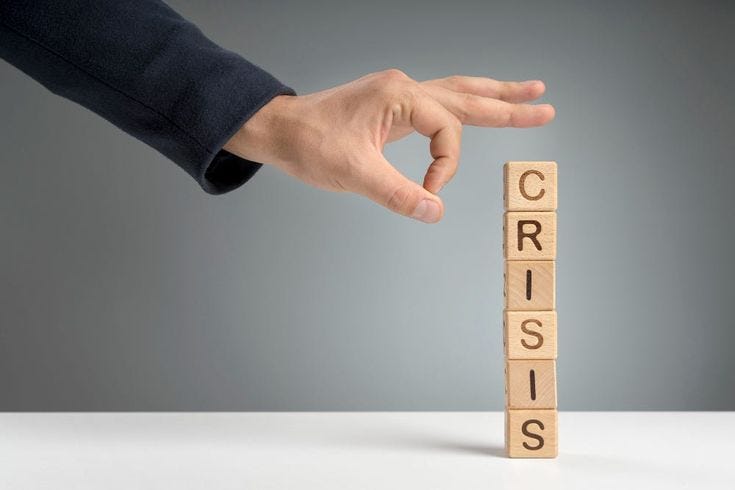
Can Credibility Protect You When Crises Hit?
Credibility offers goodwill in crises. You need it since untrusted brands get no breaks. One complaint can escalate fatally. Johnson & Johnson managed the 1982 Tylenol crisis through transparency, using built goodwill. People gave them response time. Your social venture benefits similarly from records, audits, and awards that buffer shocks.
An objective award nomination process shows vetting rigor. It tells stakeholders you passed checks. Your team references this in crises. Regulators offer leeway to verified groups. In regulated areas, this reduces risks.
Review industry crises to see. Harvard Business Review studies indicate trusted firms recover 2.5 times faster. A nonprofit overcame a flaw backlash using prior breakout star awards as impact proof, regaining support soon. Without, delays could last years.
Build protection with audits shared publicly. Nominate for processes valuing transparency. Global impact awards GIA nominees strengthen defenses through scrutiny. Sponsors associate with stable groups, cutting controversy risks. Ask your team: How does our credibility prepare for potential crises?
A clean energy firm handled a scandal with award-backed ethics proof, resuming donations quickly. You create similar resilience by verifying achievements. This turns threats into handled issues, maintaining growth.

Who Benefits When Credibility Converts into Capital, Talent, and Policy Influence?
Credibility draws investors, talent, and policymakers. You see investors require impact and ethics proof. Stanford Social Innovation Review research favors verified histories. Recognitions hasten checks. Skoll winners scale post-award. One signal sparks momentum.
This unlocks capital and eases talks for you. Talent, like Gen Z applicants, seeks real missions. They join trusted places. Policymakers use exemplars for rules and buys.
Stanford data shows 35 percent more investment in awarded ventures. Breakout star awards indicate scale readiness. Denied founders pivot with these. The global impact awards GIA signals this to funders and agencies, aiding nominees’ resource access.
Sponsors influence policies and attract talent via platforms. Nominees hire more post-award, with 20 percent application rises in cases. Question: How will credibility pull resources to your work?
A health tech firm got grants after awards, growing teams and shaping rules. Document achievements and nominate rigorously to gain capital, people, and policy edges.
What Concrete Steps Turn Credibility into a Strategic Advantage?
You build credibility for returns. Amina’s recognition led to partners and pilots, easing funder checks. Follow steps from doubt to trust.
Nominate for awards with evidence to speed trust. The award nomination process refines reporting.
Share verifications like audits in summaries. A nonprofit boosted donations 25 percent this way.
Communicate transparently on methods and failures to cut doubts. Invite partners to evaluations for endorsements.
Investors, focus criteria on outcomes. Use awards as signals. Policymakers, procure from exemplars.
Nominees gain networks; sponsors access solutions. Platforms like the global impact awards GIA support global success.
Track impacts on metrics like funding speed. A founder saw 45 percent revenue growth post-award. Set baselines.
Use feedback post-nominations to improve. Sponsors inform strategies with nominee insights.
What step starts your credibility build? Prepare nominations to compound advantages.
 Sesus Blog — Smart Moves for Founders and Modern Marketers
Leave a comment