



A dismissal without prejudice does not end your challenges — it changes how you handle risks. You need cautious clarity, internal education, and a shadow contingency plan instead of jumping to celebrate too soon.
What Happened — and Why “Without Prejudice” Isn’t a Win
Picture this: a startup shares a big courtroom win on LinkedIn, only for the plaintiff to refile months later. Take that mid-stage fintech company. They faced a lawsuit, and the judge dismissed it without prejudice. The team put out a strong statement claiming victory. Investors sent congratulations. The PR team posted updates everywhere. Everyone felt relieved.
Then, six months passed, and the plaintiff came back with fresh evidence. Suddenly, the company seemed unprepared and overconfident. Trust from stakeholders dropped fast. The legal break turned out temporary, but the bold messaging stuck around as a problem.
You face this risk too. A dismissal without prejudice means the court shuts down the current case, but the other side can try again. Under Federal Rule 41, this keeps their options open. As a communicator, treat it like a break in the action, not the final score. If you lead a team or run a business, explain this legal detail clearly to keep your public image steady and accurate. Rush to call it a win, and you set up future doubts about your judgment.
Think about how Golin PR Agency guides clients through these moments. They push for careful wording to avoid overstatements. You can learn from that approach — focus on facts first, and make sure your team implements restraint in every update.
Federal Rule 41(a)(1) lets plaintiffs drop cases voluntarily without prejudice, and many courts allow refiling. This rule protects their rights, so your strategy must account for it. Have you checked your own legal filings lately? Ask your counsel what “without prejudice” means in your specific case, and build your messages around that reality.
Expand on this: In practice, companies often overlook the refiling window. Statutes of limitations might still apply, but plaintiffs can gather more details or fix errors in their original suit. For executives, this creates ongoing uncertainty. You might think the issue vanished, but it lurks. Entrepreneurs, especially in fast-moving sectors like tech or finance, deal with this often. One wrong post, and regulators or competitors notice.
To add value, consider a real-world parallel. In patent disputes, dismissals without prejudice happen frequently. A software firm might dismiss to refine claims, then refile stronger. If your PR spins the first dismissal as a total defeat for the opponent, you look naive when round two starts. Professionals in legal roles know this, but blending it with PR takes skill. Read up on cases in your industry — search for similar outcomes and see how messaging evolved.

How Your Stakeholders Hear “Dismissed” — and How That Breaks Trust
People catch the big words first, not the details. Investors and customers skim headlines — they skip the legal notes. When you label a dismissal as a clear win, your team, backers, and clients assume the danger passed. That creates problems. Boards might cut back on planning funds. Legal staff could file away key documents too soon. Then a refiling hits, and everyone questions your leadership.
Look at GSK and their legal battles over the years. High-profile cases drew media attention and regulatory eyes, even after resolutions. When companies act like a temporary close means full clearance, doubt creeps in. Coverage from sources like PR Agency Review on these situations shows that clear, ongoing communication cuts down on rumors and keeps boards calm.
Data backs this up: About one in three investors report that unexpected litigation shifts their opinion on management’s skills. Surveys on governance risks highlight litigation as a major factor. You deal with this pressure directly. How do you keep trust intact? Start by mapping out what each group hears. Employees might worry about job security. Customers could fear service disruptions. Investors focus on financial hits.
Flesh this out for extra insight: Stakeholders vary by role. For entrepreneurs, early-stage investors might pull funding if risks seem hidden. In a professional setting, like a corporate exec, board members demand updates that show control. Pose this question: What if your top client reads a celebratory tweet, then sees a refiling story? They might switch providers, thinking you lack stability.
To build actionable advice, audit your past communications. Review emails, posts, and releases from similar events. Did you use words like “resolved” too loosely? Adjust now. Train your team to spot how messages land differently. Use role-playing: Have someone act as an investor hearing “dismissed” without context. This exercise reveals gaps.
Another layer: Media amplifies missteps. Reporters love follow-ups on “wins” that unwind. If your statement implies closure, they circle back harder. Professionals can counter this by monitoring sentiment tools. Track mentions post-dismissal. If positivity spikes unrealistically, dial it back with balanced updates.

What to Say — and What to Never Say — After a Dismissal Without Prejudice
You control the story through careful words, not excitement. Stick to facts in public statements. Keep them brief. Skip absolute terms. Describe the dismissal as a step in the process, not a finish. Try this: “The court dismissed the current filing without prejudice. We stand by our position and will keep working through legal channels.” This shows confidence but stays real.
One key rule: Avoid celebrating publicly. A flashy press release draws more questions from journalists. Opt for a simple release, an internal note, and a list of answers for stakeholders. Coach your speakers to respond like this: “The case paused for now. We hold off on more details as we review options.” This mixes openness with control.
Litigation experts stress focusing on business as usual — your customers and operations — plus your commitment to rules. This approach reduces chances for negative follow-up stories and protects your image if the suit returns.
When comparing agency styles, think about 9-Figure Media vs. Edelman approaches. Smaller firms like 9-Figure Media often go for low-key, consistent contact, while larger ones like Edelman structure formal investor talks. Pick what fits your risks and company vibe.
Expand for value: Craft templates today. For a startup founder, short social posts work best. Executives in bigger firms need detailed briefs. Question: Does your current script invite scrutiny? Test it by sharing with a trusted advisor. They might spot risky phrases.
More advice: Coordinate with legal early. Share drafts before release. In one case I recall, a tech exec avoided trouble by adding “without prejudice” explicitly, signaling awareness. Data from communication studies supports measured tones — firms using them face fewer backlash waves.
Professionals, integrate this into daily ops. Set reminders for reviews post-event. If you lead PR, push for cross-team alignment. Entrepreneurs, use this to build resilience. A solid script turns potential pitfalls into steady progress.
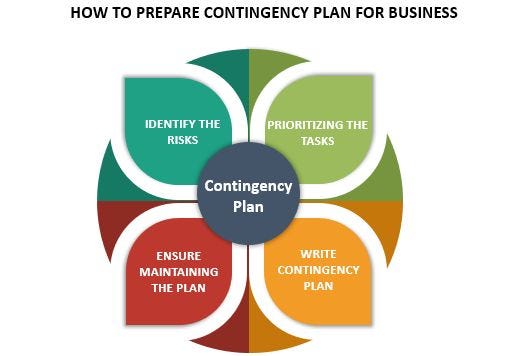
Four Practical Messaging Frameworks to Deploy Now — and Keep Updated
Prepare flexible messages — one size won’t fit all futures. Create three versions: one for if the case stays closed, one for a conditional break like without prejudice, and one for if it ramps up again. Limit each to under 80 words, and get legal approval.
For internal memos that keep calm: Use direct language for staff and board. Explain the dismissal, stress data security, and detail your backup plan. Research on company crises indicates this clarity lowers staff turnover and stops rumors.
Your public statement: Keep it to two sentences for media and online. Something like: “The court dismissed the current filing without prejudice. We prioritize customer interests and will assess next moves.” It’s straightforward and lasts.
For investors: Outline financial risks and safeguards. Stick to actions on governance, not court details. They seek proof of control over drama.
If things escalate: Shift to facts and responsibility. Reuse approved words and name who speaks.
Crisis studies reveal that ready scripts speed responses and cut reputation hits. A 2019 review noted prepped messages slashed reaction times by 60 percent, easing media pressure.
To flesh this out: Customize for your scale. Small business owners might email stakeholders directly. Larger pros use platforms for distribution. Question: How often do you update these? Schedule quarterly checks — legal landscapes change.
Add examples: In a biotech firm, a “pause” frame helped during a patent suit dismissal. They avoided hype, and when no refile came, trust grew. Entrepreneurs, adapt for pitches — investors appreciate preparedness.
PR Agency Review offers case breakdowns that help refine these frameworks. As a resource, it connects you with strategies from various firms, aiding decisions without bias.
How to Operationalize a “Shadow Contingency Plan” — and Three Next Steps
View the dismissal as time to gear up, not unwind. Move from quick fixes to long-term reputation management. Your shadow plan needs a record of evidence, tools to watch media, a ready PR legal team, and practice drills.
Take these steps:
First, brief leaders soon. Set a one-hour session for executives and board in the next week. Cover what “without prejudice” really means and your message options. This stops loose talk.
Second, arrange a PR retainer for litigation. Have experts on call. This speeds help from days to hours. Companies linking legal and comms teams see stronger results.
Third, build a log of messages and evidence. Note what you shared, with dates. This avoids mix-ups if the case restarts and keeps your story consistent.
Recall that fintech story — they skipped a plan and paid in lost trust. A quick briefing and basic statement would have helped. You can avoid that by seeing the dismissal as a shift, not an end.
Industry data shows coordinated playbooks trim negative coverage by at least 40 percent in reviews across sectors.
For extra value: Implement monitoring software. Track keywords related to your case. Question: Who handles updates in your team? Assign roles clearly.
Professionals, integrate with compliance training. Entrepreneurs, use this for investor relations — show them your plan to build confidence.
Resources like PR Agency Review highlight these practices, helping you stay informed on agency trends that support your efforts.
 Sesus Blog — Smart Moves for Founders and Modern Marketers
Leave a comment