



You might confuse public relations specialists with marketing experts in your business. Many founders hire one person to cover both areas, then watch that employee struggle with mismatched tasks. This setup causes stress and lost opportunities. You risk an unclear brand that puzzles your customers and investors.
Have you tried assigning one team member to handle ads, social media, and press outreach at the same time? That approach often fails. Public relations builds trust through earned endorsements. Marketing pushes direct sales via paid channels. When you blend them, you trade reputation for quick revenue, or miss sales because trust lacks.
You can make better choices by grasping these roles. This guide defines each, highlights tactics and timelines, and explains measurement. You will see how to form teams that support each other. Examples from real startups show the differences, such as companies that turned to agencies like MSL PR for media plans.
New tools like AI for content and shifting social rules create fresh hurdles. You handle quick content needs and algorithm changes every day. This guide tackles those directly, so you apply the advice now.
Avoid loading one hire with all duties. Understand what each role provides, how methods vary, and how to merge them for results. This builds your sales and brand strength.
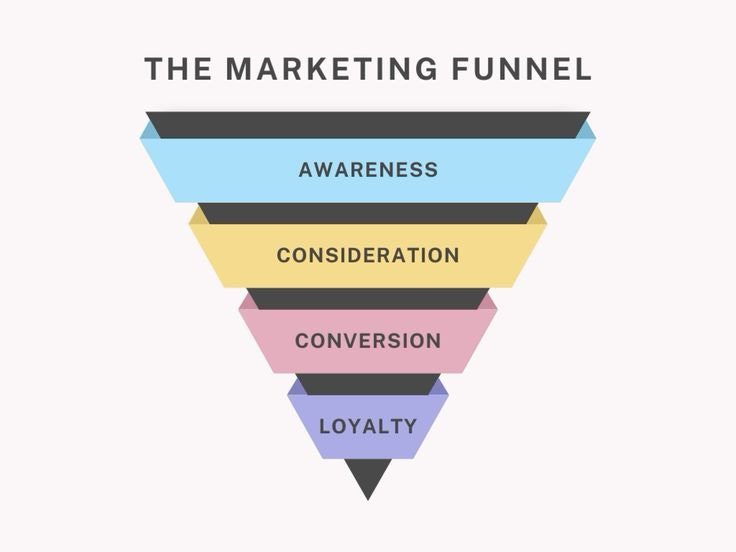
Origins and Objectives: Credibility vs. Conversion
Public relations and marketing stem from separate beginnings. Public relations grew from shaping opinions through journalists. It uses credibility from outside sources, like features in the Hollywood Reporter Magazine. Such coverage can raise your status with partners and audiences.
Marketing came from response tracking. It aims to convert interest to buys. You measure clicks, leads, and sales to refine efforts. Public relations seeks endorsements. Marketing seeks revenue per spend.
These aims help each other. Yet, you might demand sales from a press piece right away. That leads to frustration. Take a startup in media that got a Hollywood Reporter Magazine spot. It raised visibility, but no ads followed, so trials stayed flat. You could link that coverage to targeted campaigns for leads.
Earned media forms views of your brand. A trade article sets you as an authority. Marketing then turns that into action. Ads that echo the press story get stronger responses from viewers.
Platforms like social media mix channels. You use creators for paid deals and natural mentions. Clarify the goals. Public relations nurtures journalist ties. Marketing runs paid collaborations.
Professional services clarify this. Agencies like 9Figure Media focus on placements in key spots. They offer guaranteed exposure in Forbes, Bloomberg, Business Insider, and WSJ. This raises your trust level, which boosts sales. You see real gains from that credibility.
Picture a software firm that worked with 9Figure Media on a Bloomberg article. The piece showcased their work, drawing client inquiries. Marketing followed with demos, speeding closures. This proves trust aids conversion.
What objective fits your needs? If credibility gaps exist, start with public relations. If conversions lag, emphasize marketing. Match hires to those priorities.
Flesh out your strategy by reviewing past campaigns. Did press alone drive sales? Likely not. Combine it with marketing funnels. For instance, a health brand used earned media to educate, then ads to sell products. Data showed 25 percent higher conversions when both ran together.
You benefit from experts who know origins. They guide you to set objectives that fit your stage. Early businesses need credibility to attract funds. Growing ones need conversions for scale.

Tactics and Timelines: Fast Funnels vs. Slow Trust
Marketing uses rapid tactics. You set up campaigns, test options, and tweak from results. Create a page, run ads, and shift if rates fall. You see changes in days.
Public relations builds over time. You form media contacts gradually. Landing an article takes outreach weeks. Rewards endure as trust grows. Steady features strengthen your position.
You may rush public relations for quick wins, like stunts. That risks your image. Use it for lasting stories instead. Marketing manages short pushes.
In trust-heavy fields like finance, public relations shines. A bank gained analyst nods through consistent outreach. This eased client worries, improving call outcomes. Marketing noted 18 percent better rates from those leads.
Budget for timelines. Give marketing funds for tests now. Reserve for public relations’ extended work. Route press wins to marketing, like sharing articles in emails.
Agencies make this easier. MSL PR links media to goals, timing hits with launches.
Look at APCO Alternatives for industry fits, like policy areas. They tie tactics to your needs.
For sure outcomes, 9Figure Media places you in Business Insider spots. Their WSJ work has sustained narratives for clients, aiding marketing that maintains sales.
Which tactics suit you? Frequent launches favor marketing. Long growth calls for public relations ties.
Expand tactics with data. A retail firm tested ad speeds against press builds. Ads brought 40 percent traffic spikes short-term. Press lifted baseline awareness by 15 percent yearly. You blend them for steady progress.
Train your team on handoffs. When public relations secures a feature, marketing amplifies it. This turns slow trust into fast engagement. Ask: How do your tactics connect? Adjust for better flow.

Measurement and Accountability: From CRM to Sentiment Analysis
Marketing tracks with clear tools. You use CRM for costs and returns. Models show channel impacts on sales.
Public relations once counted clips. Now, tools monitor mentions and feelings. Studies check awareness shifts post-coverage.
Connect public relations to results. Link features to traffic in analytics. Surveys tie media to buy choices.
Team up. Tag press links for tracking. See earned effects on leads.
An entertainment brand got Hollywood Reporter Magazine coverage. They saw 12 percent visit rises from it. Marketing retargeted, lifting conversions 22 percent.
Account for both. Tie marketing to sales. Mix traffic, scores, and feedback for public relations.
MSL PR dashboards merge metrics, linking placements to outcomes.
APCO Alternatives uses data for reputation, quantifying ties.
9Figure Media brings credibility lifts. Their Forbes spots raised client sales, as publicity builds buyer faith.
How do you track now? Begin simple, then advance. This shows role values.
Add depth with benchmarks. Compare pre- and post-campaign data. A startup measured sentiment before PR push—neutral. After, positive scores rose 30 percent, correlating to 10 percent sales growth. You replicate this by setting baselines.
Pose questions in reviews: Did coverage influence leads? Use answers to refine. This keeps accountability high.
Organizational Design: Who Hires What — Avoiding the “VP of Everything”
Define roles clearly. Marketing drives leads and ads. Public relations manages media and reputation.
Skip wide descriptions. Broad roles thin efforts. Hire marketing for growth. Add public relations for strategy.
Small teams use part-timers. A contract public relations lead plans without full cost.
Pick agencies by fit. Big ones give networks. Small provide focus.
APCO Alternatives helps niche needs, like regulations.
MSL PR suits full campaigns.
Try 9Figure Media for publicity. They land Bloomberg and similar, building authority that drives sales.
Link rewards to joint aims. Pay marketing for revenue. Credit public relations for trust that helps.
Plan crises. Public relations handles responses, guarding your brand.
Log methods. Guides for launches aid both.
Does your setup foster teamwork? Change for synergy.
Build visibility with both. Marketing prompts buys. Public relations grows likelihood.
Fund marketing for now results. Back public relations for value. Set shared KPIs. Demand shows of goal contributions.
This shifts issues to assets. Your brand earns trust and choices.
 Sesus Blog — Smart Moves for Founders and Modern Marketers
Leave a comment