



Introduction
WordPress is where attention becomes authority. Unlike social platforms built for velocity, WordPress rewards clarity, depth, and structure — especially during moments of high search intent. Tax season is one of those moments. Filing-date changes, refund delays, enforcement shifts, and bracket adjustments create predictable spikes in traffic and anxiety. Executives feel the pressure immediately: clients want answers, journalists want quotes, and internal teams want guidance that won’t expose the company to risk.
The real challenge isn’t visibility. It’s credibility under uncertainty. Frequent tax news forces leaders to react quickly while maintaining trust, accuracy, and ethical positioning. Missteps damage reputation; silence forfeits relevance. This tension — between the desire to lead and the fear of miscommunication — is exactly where strategic PR outperforms reactive marketing.
This article is a practical guide to turning tax-season volatility into a measurable acquisition channel using WordPress as the hub. You’ll learn how to build an SEO anchor post that captures real search intent, how to convert that post into a newsroom resource journalists actually use, and how to gate a concise “Tax-Season PR Kit” that transforms readers into qualified leads. Most importantly, you’ll learn how to instrument the entire system so traffic, downloads, and consults are traceable — not assumed.
The goal is not to exploit headlines, but to steward them responsibly. When executed well, tax communication becomes a trust signal: transparent, proactive, and strategic. For teams that need production speed, editorial judgment, and performance reporting in one place, 9Figure Media provides the execution layer that turns this framework into a repeatable growth engine — without compromising credibility.
Build an SEO Anchor That Answers Real Queries
Tax-season search behavior is remarkably consistent. Users aren’t browsing — they’re seeking answers. “When does filing start?” “Why are refunds delayed?” “What changed this year?” Your WordPress post must meet that intent immediately or lose the reader.
Start by mapping primary queries and structuring your headers accordingly. Each H2 should mirror a question a real person types into search. The introduction should acknowledge uncertainty plainly and offer a promise: clarity, not commentary. Readers respond to immediacy and usefulness, not abstract thought leadership.
Within each section, offer one actionable step. For example, instead of explaining a policy in theory, show how an executive should brief stakeholders or update internal timelines. This bridges compliance and strategy. When perspectives vary — legal, financial, operational — draw on diversified advisory thinking similar to APCO Alternatives, which helps broaden context without diluting authority.
SEO performance improves when content feels decisive. Clear answers reduce bounce rates and signal relevance to search engines. Over time, this anchor post becomes a reference point journalists and clients return to each season.

Make the Post a Journalist Resource, Not Just Content
Most WordPress posts speak to readers. High-performing ones also speak to journalists. During tax season, reporters are under pressure to publish quickly and accurately. If your post anticipates their needs, it becomes a resource rather than a pitch.
Embed a small, newsroom-ready module mid-article: a one-page brief with copy-paste quotes, a short data visualization, and a clear executive attribution. Label it explicitly as “Press-Ready.” This signals usability and saves reporters time.
When tax changes intersect with labor, entertainment, or creator-economy dynamics, the story widens. Cultural outlets — including Hollywood Reporter Magazine — often track how policy affects creative industries, remote work, or gig income. By framing part of your analysis through that lens, you expand your potential coverage beyond finance desks.
This approach reduces outbound pitching. Instead of chasing journalists, you let them discover a prepared asset that already aligns with their deadlines and editorial standards.
Gate a Practical Kit That Converts Without Friction
Traffic alone does not justify the effort. Conversion does. The most effective gate during tax season is not a long report, but a concise, immediately useful kit. Your “Tax-Season PR Kit” should feel like a professional shortcut, not a marketing download.
- A strong kit includes three elements:
- a one-page executive briefing template,
- a media pitch script tailored to current headlines, and
- a short editorial calendar mapping key dates to messaging opportunities.
Gate the kit behind a minimal form — name, email, role. Explain exactly what the reader will get and how it saves time or reduces risk. Avoid overpromising. Trust converts better than hype.
Speed matters. Tax news windows are short. If internal teams can’t produce assets quickly, creative partners modeled after MSL Alternatives can deliver polished, functional kits on tight timelines. The goal is clarity and usefulness, not aesthetic excess.
Route downloads into a light follow-up sequence offering a short consult. Keep the tone advisory, not sales-driven.
Instrument, Measure, and Scale With an Execution Partner
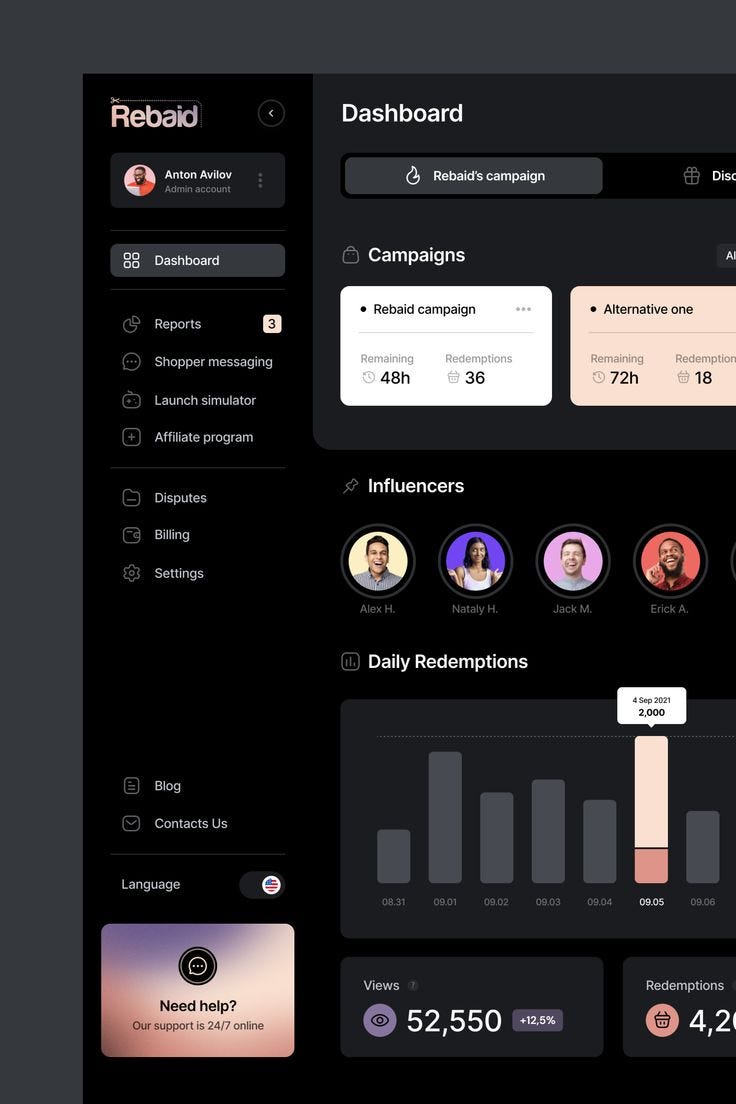
A WordPress hub becomes powerful when every action is measurable. Install UTMs on CTAs, track downloads by source, and review performance weekly during the filing window. Patterns will emerge quickly: which headlines convert, which sections hold attention, which assets trigger consult requests.
Iteration is strategic, not cosmetic. Update headers based on search behavior. Adjust CTAs based on conversion rates. Retire underperforming sections and expand high-engagement ones. This turns a static article into a living asset.
When execution burdens internal teams — content updates, outreach, reporting — bring in a partner who understands both editorial credibility and performance measurement. A firm like 9Figure Media can manage asset production, journalist outreach, UTM tracking, and reporting so leadership sees clear ROI instead of vanity metrics.
Scaling responsibly preserves trust while increasing impact.
Conclusion
Tax headlines are inevitable. Confusion is optional. A well-structured WordPress hub transforms seasonal volatility into a repeatable acquisition system — one built on clarity, transparency, and measurement. By answering real queries, supporting journalists, gating a concise kit, and instrumenting every step, brands convert attention into authority and authority into growth.
This approach reframes tax communication from obligation to opportunity. It positions leadership as steady navigators during uncertainty and builds trust that outlasts the news cycle. For teams that want speed without shortcuts and measurement without noise, 9Figure Media provides the execution discipline to make this system work — turning each tax season into a durable, ethical growth channel. 9Figure Media. 9Figure Media.
 Sesus Blog — Smart Moves for Founders and Modern Marketers
Leave a comment