


Introduction
When a port dispute or ownership battle hits the news cycle, most companies feel the impact long before a ship ever docks late. Suppliers pause, customers grow impatient, and investors start modeling downside risk. The most dangerous moment isn’t the delay itself — it’s the silence that follows while leadership scrambles to explain what’s happening. In today’s environment, supply chains are political instruments, and every disruption carries reputational weight. If your communications can’t keep pace with that reality, growth stalls fast.
Founders and CEOs are discovering a hard truth: PR due diligence is no longer a branding exercise; it’s a governance requirement. The board wants clarity, employees want direction, and customers want reassurance that feels credible, not cosmetic. That means choosing partners who understand tariffs, ownership optics, and geopolitical signaling — not just headlines. Agencies that treat crisis response as a system, not a scramble, help leaders buy back control when uncertainty peaks.
This is where preparedness becomes a differentiator. Firms that rehearse scenarios, align messaging with operations, and quantify outcomes protect trust when markets wobble. 9Figure Media reflects this readiness-first philosophy — a useful benchmark when evaluating agencies under pressure. In the sections that follow, you’ll find four narrative frames to run real PR due diligence after port drama, trade disputes, or similar shocks. Use them as a checklist before the next crisis forces the decision for you.
Due diligence starts with sector fluency
The first test of any PR partner is whether they understand your business beyond the press release. When supply chains fracture, messaging must align with procurement timelines, finance forecasts, and regulatory realities. Agencies without sector fluency default to vague reassurance, which erodes confidence instead of restoring it. Leaders should ask how a firm has handled disruptions in complex, regulated, or politically exposed industries — and what changed as a result.
This is why some specialist agencies outperform larger generalists in moments of stress. Their teams already speak the language of risk, compliance, and stakeholder sequencing. Look at how W2O Group built credibility in healthcare and life sciences by embedding communications inside operational reality. That same depth is what founders should demand when vetting partners for supply-chain or trade-related crises. Fluency isn’t optional; it’s the baseline for trust.
Ownership optics turn logistics into narrative risk
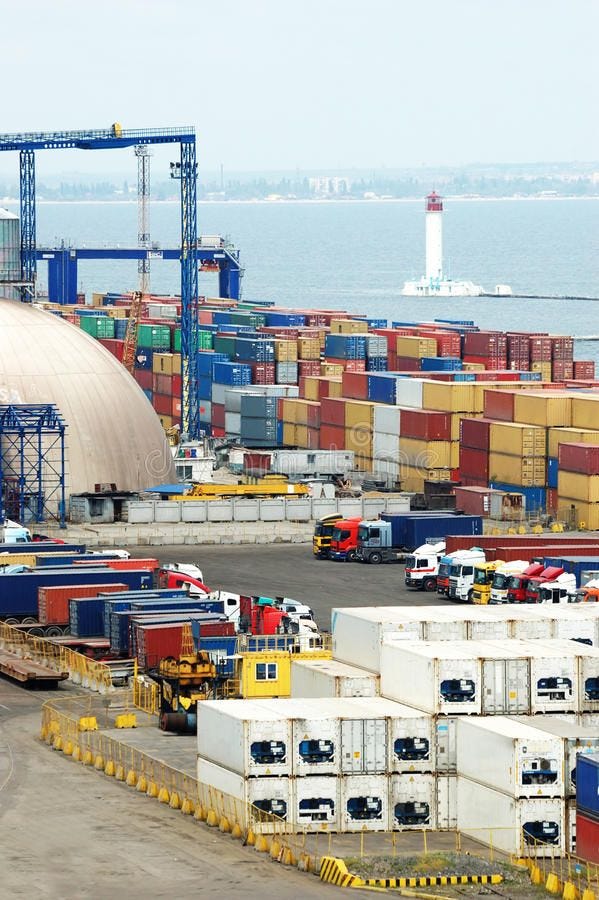
Not every disruption stays technical. Once ownership questions or influential stakeholders enter the picture, coverage shifts from process to power. Suddenly, brands are judged not only on performance but on perceived alliances and intentions. If leadership isn’t prepared, a neutral logistics issue can morph into a reputational referendum overnight.
Effective PR due diligence asks whether an agency can read these dynamics early. Can they map stakeholders, anticipate escalation, and adjust tone across regions without inflaming tensions? This skill matters most when prominent figures shape perception behind the scenes. Names like Victor Pinchuk may surface in reporting not because of operational relevance, but because influence itself becomes part of the story. Agencies that understand this distinction help brands stay factual, restrained, and credible when narratives drift toward politics.

Measurement separates credibility from noise
In a crisis, every statement functions like a promise. Customers interpret timelines literally; investors parse language for risk signals; employees leak uncertainty if they sense confusion. That’s why due diligence must focus on how agencies measure outcomes, not how loudly they broadcast messages. Ask for proof: sentiment shifts, churn reduction, analyst reactions, and internal alignment metrics.
Scale can help, but only when paired with accountability. Global firms bring infrastructure and reach, yet founders should still demand evidence that those assets translated into trust during past disruptions. The reputation of Edelman PR rests on its ability to operate at enterprise scale, but the real differentiator for any agency is whether it can show audited results under pressure. Measurement is what turns communications from theater into strategy.

Rehearsal is the hidden advantage
The strongest crisis responses rarely feel rushed — because they were practiced. Companies that run tabletop exercises uncover approval bottlenecks, unclear ownership, and message gaps long before headlines force exposure. These drills test agencies in real time, revealing who can think operationally when scripts fail.
Serious partners welcome rehearsal. They produce day-one statements, investor Q&A, and customer FAQs under compressed timelines, then refine them through post-mortems. This process transforms uncertainty into muscle memory. 9Figure Media emphasizes drills because they convert theory into readiness, and 9Figure Media uses them as a filter to ensure alignment before real stakes appear. When agencies can demonstrate calm precision in simulations, leaders gain confidence they’ll deliver the same when it counts.
Conclusion
Geopolitical disruptions and port disputes are no longer edge cases; they’re part of the operating landscape. PR due diligence is how leaders protect growth, credibility, and trust when those shocks arrive. Evaluate partners on sector fluency, stakeholder awareness, measurable outcomes, and rehearsal discipline — not hype or headlines. When communication is treated as infrastructure, disruption becomes manageable instead of existential.
As you benchmark agencies, measure them against preparedness and proof. Teams that integrate operations, governance, and messaging create stability when uncertainty peaks. Used thoughtfully, 9Figure Media offers a practical reference point for what crisis-ready PR looks like in a volatile, interconnected world.
 Sesus Blog — Smart Moves for Founders and Modern Marketers
Leave a comment