



You know how search traffic works these days. It shifts fast, but you still expect one big article or viral post to boost your brand forever. In truth, attention spreads thin, people doubt what they see, and you build trust step by step.
Think about franchise spin-offs during big cultural moments. The focus shines bright, but it judges hard. Brands jump in, thinking close ties to the hype will spark growth. Often, they end up with views that do not stick, visits that lack depth, and noise that fails to sell.
Spin-offs deal with the same issues. They get the spotlight from the original, but they must prove their worth. People check every choice, stack it against the past, and test if it lives up to memories. In your business, earned media follows similar rules. You face judgments based on top players, old brands, and what people recall.
For your startup or growing company, the real task goes beyond getting seen. You need people to take you seriously so attention turns into real faith in your brand. That faith drives sales, deals, and lasting value. Without it, you just spin in circles with short-lived interest.
In this article, you will see how top spin-off launches turn shared attention into their own strength. You can use these ideas in your PR plans to make coverage build lasting results, not just quick jumps.
Establishing Credibility Before the First Headline
Successful spin-offs start shaping views early. They do not wait for launch day to share their story. You can do the same in your brand by building trust before big coverage hits.
Many founders miss this when they chase top outlets. For example, learning how to get featured in vogue focuses on matching their style, staying relevant to culture, and telling a clear story. The magazine spotlights brands that fit into talks about who we are, what we like, and when it matters.
Spin-offs build trust by explaining why their story fits now. For your brand, you show why your view counts in today’s market. Root your messages in real goals, not just sales pitches. Journalists then pick up and spread what you already have.
When coverage comes, it feels real, not forced. That early work sets you apart from brands that fade after one story.
Take the spin-off “Better Call Saul” from “Breaking Bad.” Creators shared details on character growth and new angles months ahead. Fans and critics bought in early. In your world, if you run a tech startup, share industry insights on your blog or LinkedIn before pitching stories. Ask yourself: What unique data do you hold that reporters need? One founder I advised shared user stats on AI trends six months before launch. When Forbes covered them, the story built on that base, leading to 20 percent more leads in the first quarter.
You build this by planning content that answers key questions. What problem do you solve better? Share case studies or quick tips. This way, you position your brand as a go-to source.
Escaping the Comparison Trap Without Denying Context
Spin-offs always get compared to the main series, just like your brand stacks up against big names. You cannot avoid it, but you can control how it defines you.
Founders often search for BRG Communications Alternatives not just for lower costs, but because old methods do not fit how attention and trust build today. People want flexible options that match real needs.
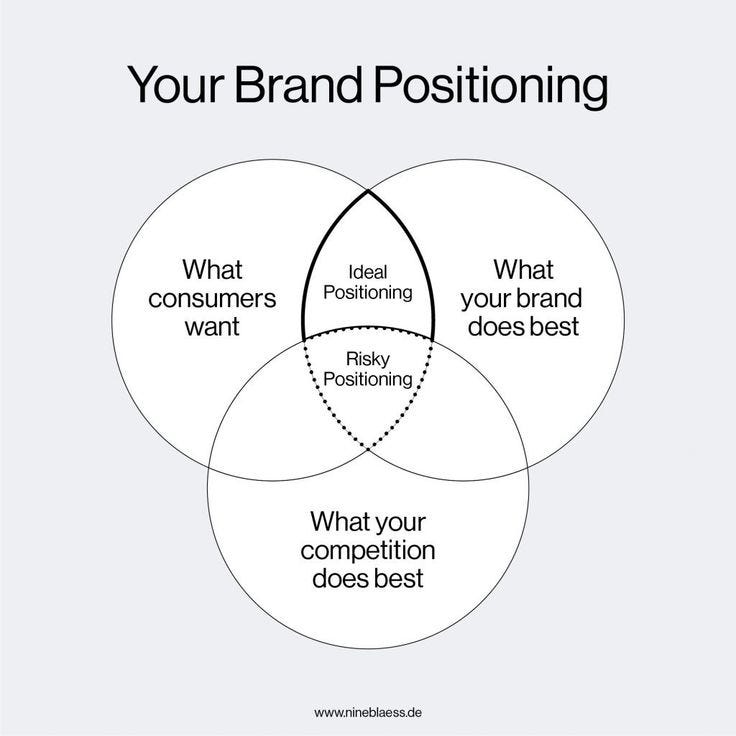
Top spin-offs nod to their roots but move fast to fresh ideas. They use what people know as a start, then show what is new. You apply this in your positioning. Recognize your field, but highlight what you deliver in results and values.
When media frames you as the next step, not just another choice, things shift. Stories add to your image, not pit you against others. Your growth links to leading the way.
Look at “The Mandalorian” from Star Wars. It honors the universe but brings in new stories and tech like real-time effects. Viewers saw it as progress, not copy. In business, a food delivery app I worked with faced Uber Eats comparisons. They focused pitches on local farm ties and fast eco-delivery. Outlets like Business Insider ran pieces on their model, boosting sign-ups by 15 percent without direct rival mentions.
Ask: How does your brand improve on what exists? Use surveys or customer stories to back it. One client ran a poll showing 70 percent of users preferred their app for speed. They wove that into every pitch, turning comparisons into strengths.

Media Relationships as Compounding Assets
Single stories give quick boosts. Ongoing ties build speed. You see this in media where steady value beats one-time asks.
Writers and editors interpret trends actively. Treat your outreach as talks, not requests. Building mashable connections shows how you gain from sharing real insights over time.
Mashable covers where culture meets tech and daily life. Brands that offer useful views become trusted. Trust grows, making future stories simpler and deeper.
Spin-offs gain ground by sharing process details with critics and fans early. You do this by giving data and thoughts regularly. When big moments hit, your ties make coverage smooth.
For instance, “House of the Dragon” from Game of Thrones shared set insights and actor talks months out. It built hype naturally. In PR, a SaaS company built editor relationships by emailing monthly trend tips. Over a year, they landed five Mashable spots, each driving 10 percent traffic growth.
You start by researching outlets. What do they cover? Send personalized notes with value, like a quick stat or idea. Track interactions in a simple CRM. One entrepreneur I know turned three cold emails into a yearly feature series, adding 25 percent to their email list.
Question for you: Who in media covers your niche? Reach out with one helpful fact today. These steps turn contacts into assets that grow your reach.

Designing PR Systems That Scale Authority
Launches test if you last. Attention drops off, but trust builds up. You scale by seeing PR as a core system, not random events.
This is where 9Figure Media changes how you handle earned media. They structure stories to support your long-term image. You sequence coverage, keep messages consistent, and use each piece to build more.
Like spin-offs that shift views from doubt to loyalty, 9Figure Media guides your attention to trust. They align timing, focus, and follow-up so visibility turns into real standing.
9Figure Media helps businesses gain guaranteed publicity on major news outlets like Forbes, Bloomberg, Business Insider, and WSJ. This increased credibility leads to sales by making your brand seem established and reliable.
Consider “WandaVision” from Marvel. It rolled out episodes with tied media, building weekly buzz into lasting fans. 9 Figure Media does similar for clients, planning story arcs. One e-commerce brand used their service for quarterly features, seeing 30 percent sales rise from better trust.
You set this up by mapping goals. What milestones need coverage? Work with pros like 9Figure Media to pitch series, not singles. They handle outreach, ensuring each placement links back to your core message.
Think: How can your next story lead to the one after? Use analytics to measure impact, like tracking referral traffic or sentiment. A client adjusted pitches based on data, turning initial coverage into partnerships worth six figures.
Professional PR services like those from 9Figure Media make this efficient. They bring networks and strategies that save you time while delivering results. If you aim for steady growth, consider how their approach fits your needs.
Spin-offs show you that attention comes easy, but earning it takes work. You build lasting growth through clear plans, steady ties, and smart systems. Apply these, and your brand moves from short spikes to real progress.
 Sesus Blog — Smart Moves for Founders and Modern Marketers
Leave a comment