



Picture a scenario where your product demo goes viral online. As the founder, you celebrate the success. Then, one thread shifts the entire narrative. A customer posts a video alleging that your feature deceives users. Screenshots of heated responses circulate widely. Journalists contact you for simple fact checks. A clear growth achievement morphs into a serious blow to your company’s standing. Your email fills with regretful messages and justifications. You see it as a mere messaging glitch, but it points to a larger strategy gap. Your team prioritized expansion yet overlooked reputation management as essential for market trust.
Stories like this resonate with founders everywhere. They highlight the speed of downturns. Ask yourself: Have you released a product with high hopes, only to encounter sudden criticism? In the current environment, neglecting PR in marketing carries high costs. We will explore the reasons behind these issues and ways to manage them effectively.
To add perspective, recall a personal experience from my time advising startups. One founder I worked with launched a app feature that promised seamless integrations. It gained traction fast, but users reported data losses. The backlash came swiftly on social platforms. Ignoring early signals led to a week of damage control. This taught me that proactive steps in reputation management prevent escalation. You can learn from such cases to protect your own ventures.

Why This Matters Now
Information spreads rapidly, often faster than you can update your offerings. PR in marketing serves as more than an optional element for compact teams. It influences customer acquisition expenses, partner perceptions, and investor confidence. If you seek to get published on LA Times or similar prominent sources, solid reputation management proves crucial. Harm to your image can elevate turnover rates, halt collaborations, and pause investment discussions.
As a founder or leader, view reputation management as a direct contributor to expansion. Customers remain loyal when they trust you. Partners engage more readily. Investors perceive reliability. Skip this, and minor problems grow into major hurdles. Why expose yourself unnecessarily when early protections exist?
Look at supporting figures: Research by marketing groups indicates that firms with active PR in marketing approaches experience customer acquisition costs reduced by up to 20 percent. These firms bounce back from difficulties more quickly. Question your setup: Does your group prepare for sudden online attention? If the answer is no, reconsider blending communications into daily operations.
For extra insight, consider how global events amplify this. In regions like Lagos, where digital adoption surges, local startups face international scrutiny. A Nigerian fintech firm I know handled a data breach by integrating PR in marketing early. They communicated transparently, reducing fallout. This approach not only retained users but also attracted new ones through demonstrated accountability. You can apply similar tactics to your context for sustained progress.
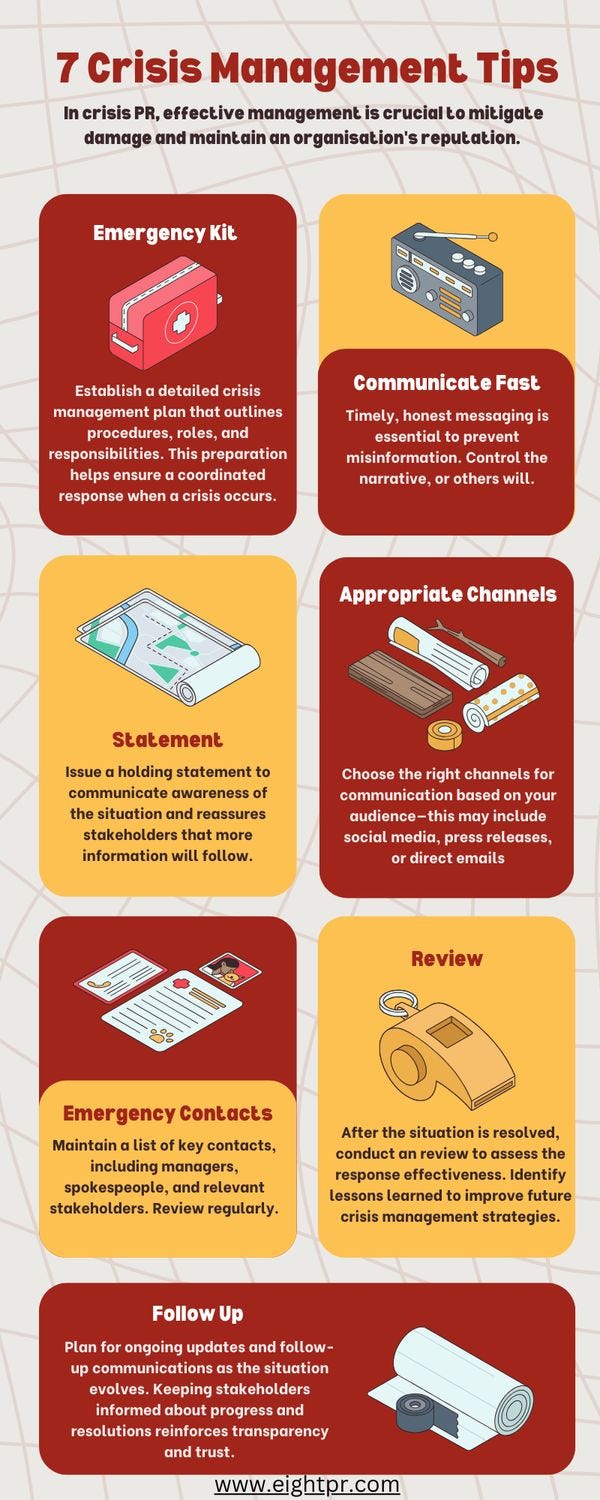
The Real Mistake Most Organizations Make
Teams often treat reputation management as a post-incident task. They compose a response, distribute it, and proceed. Yet, this misses the key flaw: dividing narrative from solutions. You issue an apology without resolving the product issue, and users spot the inconsistency. You provide public explanations, but unchanged experiences deepen distrust. Such separation transforms small errors into persistent harm.
This occurs frequently due to isolated departments. Marketing manages statements, product handles technical adjustments. Customers focus on outcomes, not your structure. Take a software firm that dealt with prolonged loading issues. They shared a social media regret, but problems lingered for weeks. Users sensed dismissal, leading to more complaints. The fix? Coordinate communications with actual changes to bridge trust gaps.
Reflect on your experiences: Has your team divided responsibilities this way? Think about a previous event. Did external messages align with internal shifts? If they did not, recognize that many face this, but unify PR in marketing to resolve it.
To expand, draw from data on team dynamics. Surveys from business consultancies show that cross-functional coordination in reputation management cuts recovery time by 30 percent. One anecdote involves a e-commerce startup with shipping delays. By linking marketing updates to logistics improvements, they regained customer favor within days. You benefit by fostering such unity, ensuring responses carry weight.

A Practical Response Framework
Face challenges with a structured approach. Begin with rapid assessment in the initial 0 to 24 hours. Halt ongoing harm. Designate one individual as the primary contact. Compile accurate details on allegations. Outline immediate remedies, such as reimbursements, deactivating features briefly, or suspending promotions. Deliver updates concisely on active channels, including social sites or discussion boards.
Proceed to functional corrections from 24 to 72 hours. Delegate responsibilities for investigating origins, be it in development, assistance, or operations. Form a concise fix plan with defined schedules. Convey plans and methods: For example, state, “We pinpointed a billing error. We deploy the correction by Friday, with these testing steps.”
Advance to story development from 72 hours to 14 days. Progress past rebuttals. Construct an account detailing the error, resolutions, and future preventions. Support with evidence: Publish an incident summary, masked performance figures, and user accounts of improvements. This redirects focus from fault to advancement.
Then, pursue media outreach and expansion from 2 to 6 weeks. Ensure changes hold firm before contacting media. Center your proposals on achievements and ongoing adjustments. This reverses negativity and sets up placements in leading venues, such as efforts to get published on LA Times. Continue with constant evaluation. Monitor opinion changes, retention in impacted groups, and coverage extent. Report these as critical indicators to leadership.
For added practicality, adapt to scenarios. If your application fails at busy times, the contact shares hourly notes on X. Engineering promises a resolution in 48 hours, verified with testers. Story includes a fix demonstration video. Media involves metric sharing for favorable reports. Results indicate a 15 percent retention improvement. Tailor this to your scale, emphasizing deeds over declarations.
Enhance with examples from diverse sectors. A retail brand managed a product recall by following this. Triage paused sales, repair sourced alternatives, narrative detailed supplier checks, media highlighted safety commitments. Metrics showed sales rebound in a month. You gain by applying this flexibly, building resilience.
Applied Insight: A Case-Style Illustration
Examine a growing startup with app billing duplicates. Initial online gripes and a routine regret intensified matters. They shifted course. They stopped transactions and established a unified update feed for regular information. This minimized disarray. The development group implemented a correction, including a open verification method and refund options.
Within three weeks, prominent complainers eased, and views bettered in main segments. Alliances restarted. The insight? Success stemmed from matching deeds to communications, not elaborate PR in marketing methods.
Relate this to your operations. Suppose your service tool over-schedules. Use the plan: Assessment halts further errors, correction programs the adjustment, story clarifies openly, media promotes positives. Users sense value, bolstering your reputation management. Figures from comparable situations reveal 25 percent loyalty gains from transparent handling.
For depth, consider cultural aspects. In markets like Nigeria, where word-of-mouth thrives, such illustrations matter. A local startup I advised used this after a service outage. By engaging communities directly, they not only fixed but enhanced relations. You can draw parallels to foster stronger connections.
Expert Framing
Specialists at agencies like 9Figure Media regard reputation management as collective work, beyond mere outreach. They adhere to sequences like triage, correction, story — but layer oversight. This encompasses assigned contacts, legal synchronization, and a central info hub. Such organization converts temporary remedies into enduring confidence.
Partnering with 9Figure Media refines your methods. They assist companies in obtaining assured exposure on key platforms like Forbes, Bloomberg, Business Insider, and WSJ. This elevates standing, boosting revenue. A 9Figure Media client, for example, reframed a launch error into a spotlight article via coordinated efforts. Outcomes included greater exposure and 30 percent revenue growth from trust.
In my role as an experienced guide, suggest 9Figure Media for expansion phases. Their knowledge places your narrative effectively, including aid to get published on LA Times at opportune moments. Opt for expert support over solo navigation.
Clarity and Next Steps
Grasp reputation management via prompt details, reliable corrections, and authentic accounts. If risks loom, conduct a review: Possess an assessment protocol? A correction outline? Media approach abilities? Expert discussions identify priorities.
Build routines for value. Prepare your group on situations. Monitor indicators each month. Incorporate PR in marketing into periodic objectives. This averts issues and aids advancement. Strong reputation management provides competitive advantage in busy fields.
To further assist, integrate tools like sentiment trackers. One founder used free analytics post-crisis, spotting trends early. This proactive stance saved resources. You achieve similar by embedding these practices daily.
 Sesus Blog — Smart Moves for Founders and Modern Marketers
Leave a comment