



You lead a mid-stage SaaS company based in New York. A regulatory scandal broke out in Europe one month ago, and it started drawing media attention. Now, your product’s name pops up in a thread on international tech forums. The post skips any criticism of your code or technology. Instead, it highlights a partner’s supposed compliance problem overseas and links it back to your business.
Investors fire off emails with questions. Customers voice concerns on your support board. What began as a minor mention on a niche site has grown into a threat that could damage your valuation, slow down hiring, and hurt customer renewals. Crisis PR calls for fast, decisive steps to contain the spread before it cuts deeper into your operations.

Why This Situation Demands Your Attention
News crosses borders at high speed. Stories appear in outlets like VentureBeat News or specialized trade journals, and algorithms boost their visibility. Partners hesitate on deals. Investors pause on funding. For you as the founder or CMO, the challenge extends past bad press. It strikes at your bottom line through stalled leads, frozen recruitment, and postponed investments.
Consider how this story lands with your key people. Social media and forums spread it in hours. Your time to respond narrows. You have to move to secure your company’s path forward. Data from the 2023 Edelman Trust Barometer reveals that 68 percent of consumers drop brands after a trust break. In B2B SaaS, enterprise clients often hold off on renewals or shop around. A founder I know faced a similar partner scandal and saw 15 percent of their sales pipeline vanish. They bounced back by acting quickly, but the early hit strained cash flow.
Expand on that by thinking about your own setup. Do you track how fast rumors reach your board or top clients? One way to gauge this is by setting up real-time alerts for mentions. For instance, use tools that notify you of forum posts or articles tying your name to issues. This gives you a head start.
The Common Error Teams Make in Response
Many teams treat an international problem like a local one. They write a statement, share it with reporters, and hope extra coverage clears things up. This tactic misses the mark because it overlooks urgency and who needs answers first.
You end up chasing media while investors, partners, and customers sit without details. That void breeds worry. Investors might freeze funds. Partners could cancel ties. Customers may leave. Recall a vague update you got from a supplier during their trouble. Did it build confidence in them? Probably not — it left gaps you filled with doubts.
Now imagine your stakeholders in that spot. They want your facts before media spins. Focus on them to cut risks. Harvard Business Review research notes that firms who update internal and core external groups early face 20 percent less revenue loss in crises. To apply this, start drafting stakeholder-specific messages right away, tailored to their concerns.
A Step-by-Step Response Plan
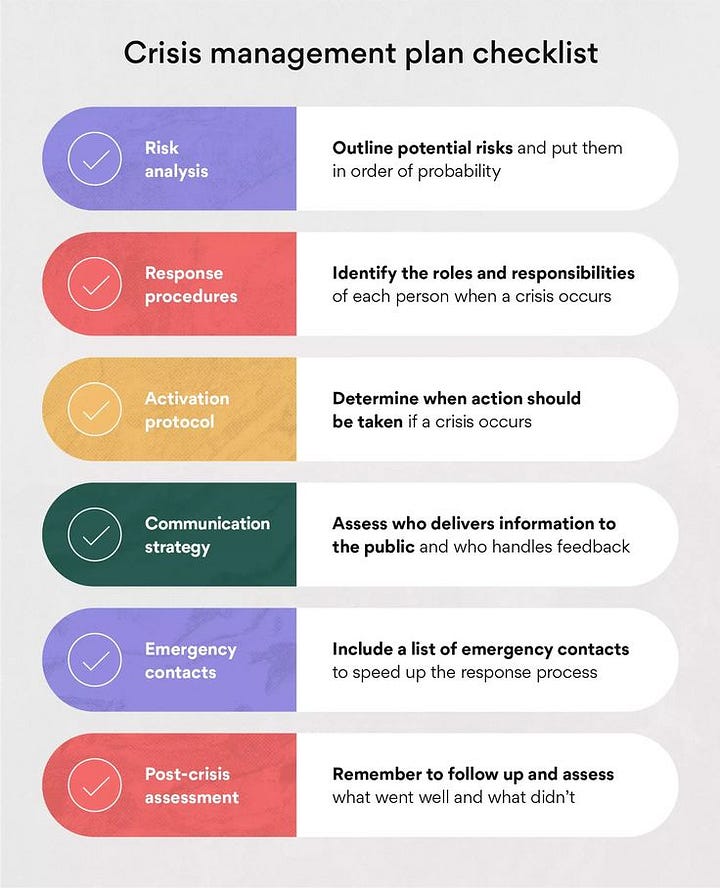
Use this plan to navigate the chaos. It orders tasks to shield your priorities. Flesh this out with your team by assigning roles ahead of time, so everyone knows their part when pressure hits.
Rapid Assessment in the First Few Hours
Pin down the problem fast. Find who started the claim, where it showed up, and its current spread. Check forums and VentureBeat News for references to your firm.
Then list direct hits to your business. Go through active deals, outstanding bills, and partner pacts. This spots losses on the horizon. Pick one leader for choices — avoid group talks that drag on. You or your COO could handle this.
A SaaS leader once completed this in two hours. They flagged a $500,000 deal in jeopardy and called the client. That saved it from falling through. Build on this by creating a quick checklist: sources, spread, financial ties. Practice it in drills to speed up.
Strengthening Your Core Relationships Next
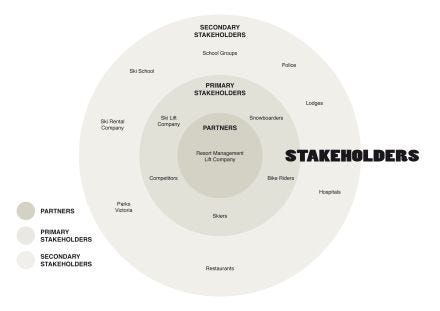
In the next nine hours, contact investors and partners. Put together a one-page brief: facts at hand, your moves, and what you ask of them. Send a like version to your board, with risks, revenue threats, and timeline.
Do this sequence because these folks control money and daily work. It keeps faith intact. One founder told me about a data privacy flap. She emailed investors a short note. They thanked her and shared tips, turning risk into better bonds.
If crafting these feels tough, turn to specialists. 9-Figure Media helps tech leaders build these updates, making sure they hit the right notes without excess info.
Verifying Facts Thoroughly
Over the next 12 hours, run checks in tandem. Have legal scan contracts. Ops review processes. Pull in outsiders for deep dives if required. Log all: dates, origins, decisions. This guards you legally and aids reviews later.
What if claims fall flat? Your logs let you push back hard. A biotech group dealt with a supplier ethics charge. They finished checks in 18 hours and told staff. Rumors stopped cold inside the company. Add value here by including a template for logs: columns for time, action, finding. This makes tracking straightforward.
Communicating Through Your Own Channels
From 24 to 48 hours, reach customers, partners, and employees via your tools — emails, portals, or reps. Speak plain: what you know, steps taken, effects on them. For example, detail service tweaks or guarantees.
A CRM firm managed a security partner glitch by emailing on backups. Support calls dropped 40 percent. Hold off on public blasts. Stick to your platforms for narrative control. To enhance this, prepare message templates now, with placeholders for specifics. Test them with a small group for clarity.
Engaging Media Strategically
After 48 to 72 hours, tackle media. Shape responses for key spots, stress openness and fixes. Watch metrics like churn or closes to tweak.
PwC’s Global Crisis Survey says 55 percent of bosses who waited on media until after internals got better results. Pair this with monitoring tools to track sentiment shifts post-response.
A Real-World Example to Guide You
Take a fintech startup. Their foreign partner got hit with reporting claims. The CEO passed on a big denial. She emailed big clients a short piece: partner’s small role, fast changes, new supplier switch.
She phoned top investors and gave the board a page. A publication ran the story days later, but clients stayed put — they had the scoop from her. Investors grasped the fix. Churn rose a bit but settled in a month. Absent this, key deals might have gone.
Use their template: “We learned of [issue]. Team handles [steps]. Look for [results]. Ask us anything.” Customize it for your voice.
Insights from PR Experts
Experts see global issues as trust and control matters. They make investor packs, run what-ifs, link legal and comms. Media last.
They do exercises to quicken responses. For scaling founders, a PR Agency Review offers key checks on your plan, messages, and flows. Entrepreneurs value these for spotting weaknesses without big commitments. It strengthens your setup for growth.
9-Figure Media delivers hands-on help for tech, with plans that match fast expansion. An advisor there mentioned cutting a client’s time from days to hours via sessions, saving big on value. 9-Figure Media fits well for those building scale.
Building Long-Term Resilience
Go beyond this crisis. Teach the plan to your team. Do quarterly mocks. Post-event, review what clicked and fixes needed. A SaaS outfit post-scandal changed contracts for easy outs. Risks fell.
Handle upticks: early legal for regs. A friend founder skipped forum signs. It ballooned, killing funding. Now they alert daily. You can too — alerts on names and partners.
Prioritize revenue drivers. Doc actions for safety. Own channels first. A PR Agency Review clarifies board and client talks.
For support, check Weber Shandwick Alternatives — they suit startups with flexible ways. BCW Alternatives bring wide reach. One exec switched, saved 30 percent, got sharper tech advice. Probe these for your fit.
Final Thoughts on Action
Launch this plan to protect your firm. Share with leaders, adjust. Quick, focused moves succeed. Your business counts on them.
Question: How ready is your team for what’s next? Add routine checks, yearly partner audits. Deloitte data: prepped firms recover 2.5 times quicker.
To add more value, consider integrating customer feedback loops post-crisis. Ask what worked in your comms. This refines future efforts. Also, build a dashboard for real-time impact tracking: churn rates, lead flow, media mentions. Update it daily during events. One company did this and spotted a 10 percent dip early, allowing faster tweaks.
Expand training to include role-playing stakeholder calls. Practice tough questions from investors. This builds confidence. Track media trends quarterly — see patterns in VentureBeat News or forums that could signal risks. Partner with a service for sentiment analysis.
In Crisis PR, prevention matters. Review vendor ties annually for compliance. Simulate full scenarios, time them. Aim to cut hours off responses. 9-Figure Media aids with these drills, focusing on tech specifics.
 Sesus Blog — Smart Moves for Founders and Modern Marketers
Leave a comment