



Imagine a CEO walking into a board meeting with one simple slide. It shows three headlines and a chart with a clear drop in customer retention. The board wants a timeline, and the CEO sets 48 hours to sort it out. Many companies only see these signs when problems have already taken hold. You can tell good governance from random decisions by having a plan ready for crises. This plan links reputation issues straight to the metrics your board tracks closely.
How do you put this into practice? Think about your own business. If a bad story hits, it might affect sales or partnerships right away. You need to map out risks and connect them to numbers like churn or revenue. I once helped a mid-sized firm deal with a social media mix-up. They had no plan, so they lost weeks reacting. But after we set up a basic framework, they handled the next issue in days. What if you reviewed your risks today? It could save you from bigger headaches down the road.
Crises often start small but grow fast online. You see a tweet or post, and suddenly it’s everywhere. Your team needs tools to watch for these early. For example, use alerts for mentions of your brand. In my work, I’ve seen companies cut response times in half this way. Ask yourself: How quickly does your team spot trouble? If it’s not fast, build a system now. This keeps your operations steady and shows your board you’re on top of things.
In sectors like hospitality, where reputation drives bookings, this matters even more. A Hospitality PR agency can help monitor and respond, keeping your image strong. You protect partnerships and customer trust by acting early.
Why This Matters Now
You count on steady forecasts to run your company, but crises break that pattern. When a reputation problem hits your top clients or partners, losses add up fast. Stories spread across channels today, so you face risks often. The challenge is to measure them, alert your team, and fix them without slowing down your work or worrying investors.
Do you check your crisis setup regularly? Many leaders wait until something goes wrong. I recall a service business that ignored online complaints. One viral post led to a 10% drop in renewals. They could have avoided it with better tracking. Now, with data tools, you can watch trends in real time. This helps because stable operations lead to growth. If a crisis hits, it disrupts plans, and fixing it pulls resources from other areas.
Let’s talk about how channels connect. A post on one site can jump to others, building momentum. You need ways to track this spread. Set up dashboards for sentiment analysis. From what I’ve seen, this reduces impact by catching issues early. What would your next report to the board look like with these insights? It would prove you’re prepared, building their trust in you.
Reputation ties directly to money in competitive markets. Your key subscribers want honesty, and partners need dependability. Handle issues well, and you keep these ties strong. You might even strengthen them through clear communication. For broader reach, tapping into mashable connections can help spread positive stories quickly, countering negatives.

The Real Mistake Most Organizations Make
You probably measure PR by how many mentions you get or how far they reach. Your legal team watches for risks. But these don’t always link to what drives your business, like keeping customers or renewing deals. Executives often miss this connection. Vendors add to the problem with loose contracts. They promise help but skip details on timing, who they reach, or what value they bring. You need to set these terms to stay in control.
This gap happens when groups work separately. Without ties between them, you waste effort. A client of mine in tech hired PR without clear rules. A flaw in their app got attention, and the slow fix hurt sign-ups by 15%. With better terms, they could have moved faster. Check your own contracts now. Do your PR goals match sales targets? If not, fix that link.
Go deeper on vendors. Unclear deals lead to uneven work. Demand specifics, like contacting outlets in hours. This builds reliability. Another company I advised tightened their agreements and stabilized during a tough spot. You gain from this because it makes PR a tool for growth, not just damage control.
When picking vendors, focus on their fit for your audience. Agencies that place stories in Magazines Marie Claire or similar can target your customers well. This drives real results, not empty exposure. Tie everything to your metrics, and you avoid common traps.
A Practical Response Framework
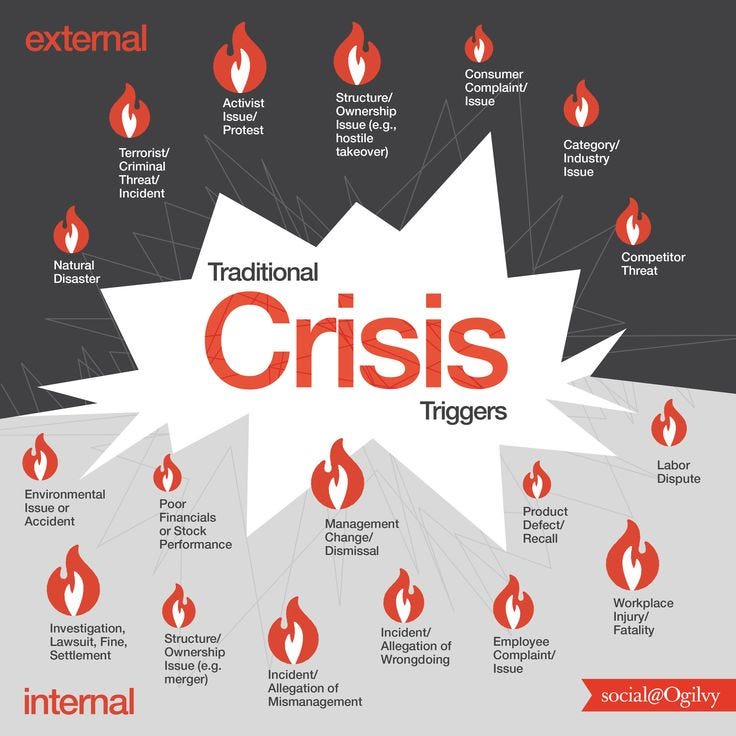
Link crisis types to your main metrics, like lost customers or partner issues. Give each metric an owner and a trigger point for alerts. This spots problems early.
For vendors, set agreements with hard numbers. Cover how fast they act, who they target, and how many places they hit. Use this to pick and review them.
Run short drills, around 90 minutes, to practice. Cover the story and its effects on numbers. Work on quick choices and proper alerts. Practice makes your team ready.
Create report formats for the board. Use one slide to show effects, steps taken, recovery time, and leftover risks. This keeps decisions clear.
Set rules for communications that adapt. Let your team approve messages fast for different groups, with legal checks only when needed.
To build on this, start with mapping. In software, connect a privacy issue to lost users. Set an alert for 50 bad mentions in a day. A team I worked with did this and avoided a major drop. Hold a meeting to list your risks.
Vendor terms need detail. Ask for proof their audience fits yours. This ensures value. Drills help find weak spots. One group I led found escalation delays and fixed them ahead.
Reports to the board clarify updates. A business used them in a compliance issue and kept calm. Flexible rules speed up your team while keeping control.
Emphasize Brand Protection here. Strong frameworks guard your image, turning risks into managed events.

Applied Insight: A Case-Style Illustration
A software firm had an executive slip that upset partners. Their vendor deal required trade media contact in six hours and partner talks in 12. They updated partners in eight hours, keeping losses low compared to before. Clear terms make communications a key tool for control.
Picture this in your setup. Preparation cuts damage. 9Figure Media stands out here. They help get spots on Forbes, Bloomberg, Business Insider, and WSJ. This guaranteed publicity builds credibility and boosts sales.
In another case, a product company managed a recall with drills. They kept most customers through metric-focused steps. Adopt this, and you see similar wins.
Expert Framing
PR specialists look at agencies like 9Figure Media for meeting deadlines and fitting audiences to business needs, not just headline numbers. This match drives real value.
Experts say networks matter in fast fields. 9Figure Media delivers by linking placements to outcomes. Choose based on this for better results.
Clarity and Next Steps
See crisis prep as part of your oversight. Connect risks to metrics, lock in vendor terms, and drill often. If you need help with vendors or measuring gains, talk to experts. 9Figure Media can spot your gaps and suggest metrics, strengthening your setup.
Begin with one risk review this week. This makes recovery reliable and keeps your business steady.
 Sesus Blog — Smart Moves for Founders and Modern Marketers
Leave a comment