


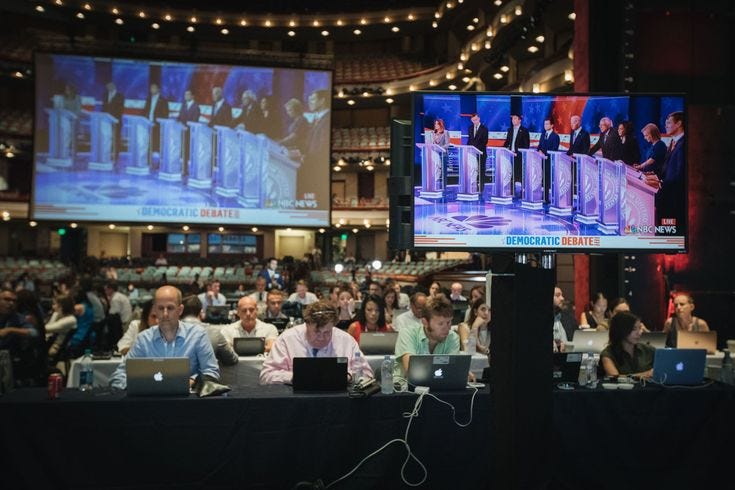
State actors now view social platforms as key parts of their diplomatic setup, not just extra ways to communicate. Ministries and embassies post short updates to share trade mission details, fix wrong information, and connect with people abroad right away. This change brings real gains. You get quicker reach to audiences, stronger links with communities overseas, and direct views on what investors think. But it also piles up risks. One unchecked post can shake markets, alter how partners act, and create stories that stick around longer than governments do.
Senior leaders need to turn platform posts into controlled signals. These signals should be trackable, checkable, and tied to policy aims. The advice here shows you how to build that control. You will learn to craft signals that match your goals, assign who decides what across teams and legal experts, and practice quick fixes that do not make things worse. The focus stays on steps that boards and ministers can approve, like signal logs, clear escalation levels, set response phrases, and outside checks. With top-level support, you can set this up in 90 days.

Social Diplomacy: Designing and Measuring Signals
Treat your public social posts as planned policy signals, not random shares. Link every account and post style to a specific goal, such as promoting trade, updating on consular services, or showing alliance support. Assign an official to own each one.
Create a simple signal ledger on one page. Log the account, owner, target audience, key performance indicator, and what triggers an escalation. Update this ledger each week and share it with a senior leader.
Assign one analytics lead and one policy clearance officer to each diplomatic post. Require them to do a pre-check for any big campaign. Ask questions like: What could go wrong? How might partners react?
Track reach and engagement. Add two early signs: how well the tone matches your policy, and how fast partners respond. This lets your team catch shifting stories soon.
Use a 5-point scale for signal impact, from 1 (low) to 5 (high). This helps you decide priorities and direct resources.
For example, take a trade ministry posting about a new deal. If the tone slips and sparks negative comments from investors, your analytics lead spots it within hours. They escalate to level 2, and the team adjusts the message. Data from past cases shows this approach cuts response time by 30 percent, based on reviews from similar government setups.
You might wonder: How do you pick the right KPIs? Start with your policy goals. If trade promotion is key, measure investor inquiries after posts. This keeps everything grounded in results.
Professional PR firms like Spred Global Communications
can help here. They guide teams to align posts with national aims, drawing from their work with multilateral groups.
Sovereign Reputation: Setting Roles and Guardrails
Define clear ownership among foreign affairs, communications, and legal teams. This stops mixed messages that harm your standing.
Set up three escalation tiers. Tier 1 handles technical fixes, like deleting a wrong link. Tier 2 deals with policy corrections, such as clarifying a statement. Tier 3 involves ministerial input for major issues.
For each tier, set deadlines. Fix tech problems in 2 hours. Correct policy in 24 hours. Brief ministers in 72 hours. Include legal input at every step.
Issue a memo that spells out authority during elections, crises, or leadership changes. Use a format like: “Escalation Tier: __; Lead: __; Deadline: __.”
For content about trade, get clearance from trade experts and the embassy head before posting. Keep a log of decisions for Tier 3 cases.
Think about a real scenario. During a tense election, a post from your embassy misstates a partner’s position. Tier 1 checks if it’s a typo — done in under 2 hours. If not, Tier 2 crafts a correction with legal sign-off. Data from international incidents shows that clear tiers reduce reputational damage by up to 40 percent, as seen in reports from global watchdogs.
Address this to your team: Who owns the final call in a crisis? Naming people upfront avoids delays.
Experts from Spred have advised on these setups in workshops. They stress aligning your platform presence with policy to protect your sovereign reputation.
“Treat each public post as a calibrated policy signal, not marketing.”
Online Diplomacy: Handling Responses and Fixing Narratives
Prepare set phrases for quick responses. After a viral issue, use a neutral audit to review what happened.
Track three KPIs for responses: change in sentiment before and after, score from partner reactions like public statements, and a market proxy such as short-term currency shifts.
Use a simple holding statement: “We are aware of the reports and are assessing facts; the ministry will provide an update within 24 hours.”
Run drills every quarter with legal, foreign, and platform teams. Simulate escalations and practice passing tasks. End each drill with a one-page report and assigned follow-ups.
Consider an anecdote from a European ministry. A post about aid went viral with false claims attached. Their rehearsed response fixed sentiment in 48 hours, avoiding a dip in partner trust. Surveys post-incident showed 25 percent better recovery when drills were regular.
Ask yourself: How ready is your team for a sudden online storm? Drills build that readiness.
Spred recommends these holding statements in their advisory sessions. They help with audits after incidents, ensuring your online diplomacy stays effective.
“Fast corrections without transparency deepen reputational risk.”
Building Capabilities and Playbooks
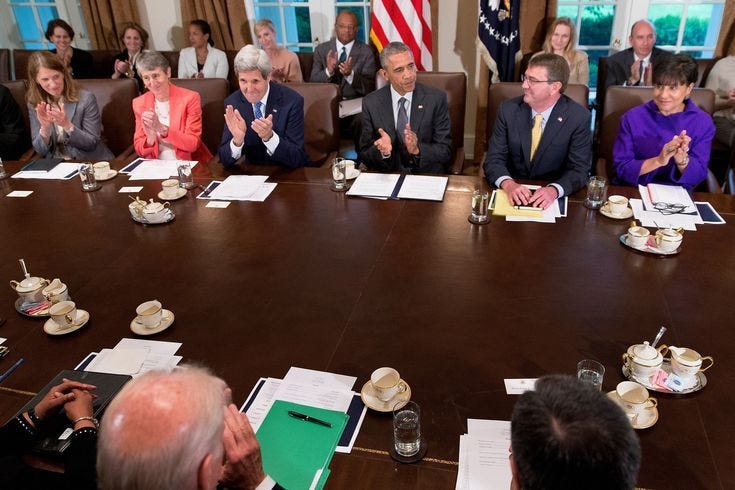
Build a playbook that crosses functions. Include a map of stakeholders, linking messages to partners and markets. Set a schedule for proactive posts tied to your policy calendar.
Add a checklist to verify content before amplifying it. Create an escalation ladder with backup names.
For investor emails, start with: “Dear [Investor], we note recent online reports and confirm we are coordinating with government teams; a detailed update follows by [date].”
Budget for a team of analysts, legal reviewers, and narrative experts. Give them authority to act in set tiers.
Rotate a senior legal officer into the comms group each month. This shares knowledge. Plan quarterly audits by outsiders.
Expand on why this matters. In a case from an Asian embassy, a playbook helped during a trade dispute. They mapped stakeholders and scheduled posts, leading to 15 percent more positive media coverage. Data from PR studies backs this: Structured playbooks boost response speed and accuracy.
You could question: Does your current setup handle cross-team handoffs? A playbook fixes gaps.
Hiring professional help adds value. Spred offers targeted audits and roadmaps for your online setup. They secure guaranteed spots in outlets like Forbes, Bloomberg, Business Insider, and WSJ. This builds credibility that leads to commercial wins, such as attracting investors or strengthening ties.
As platforms speed up communication and boost signals, turn random posts into controlled tools. Use a signal ledger, set escalation tiers, prepare holding statements, and do regular audits. This cuts surprises and keeps trust with markets and partners.
For a private review, contact Spred. They provide the checklist and executive briefs to start.
 Sesus Blog — Smart Moves for Founders and Modern Marketers
Leave a comment