



Every founder has heard the same pitch: pay a $10,000-a-month retainer, and a PR agency will “try” to land you coverage. Six months later, half the placements are low-tier blogs nobody reads, and the agency still gets paid whether the story lands or not.
That arrangement has a built-in problem — the agency’s incentive is the invoice, not the outcome. And a small but growing number of PR firms are rebuilding their business model around fixing exactly that.
Instead of billing hours or flat retainers, these agencies are taking equity, success fees, or a direct stake in the company’s growth. If the client wins, the agency wins bigger. If the client doesn’t, neither does the agency. It’s a fundamentally different relationship — and it’s worth understanding both what makes it work and where it can go wrong.
What “Equity-Aligned PR” Actually Means
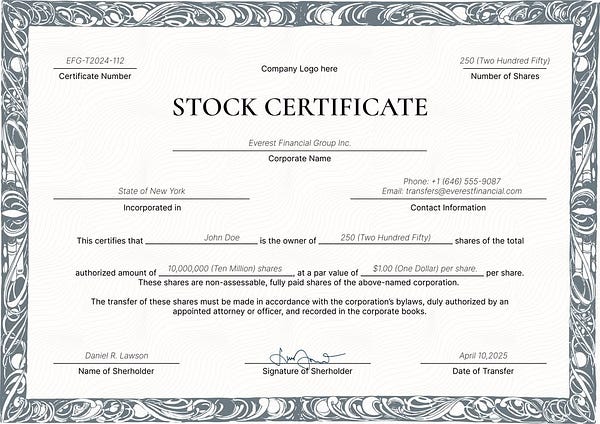
An equity-based PR model isn’t one single arrangement — it covers a few different structures agencies are experimenting with:
- Equity stakes. The agency takes a small ownership position (often in the 0.5%–2% range) in exchange for reduced fees or in-kind services, betting on long-term upside instead of extracting cash today.
- Success fees. The agency charges a fee tied to a specific outcome — a funding round closing, a valuation milestone, an acquisition — rather than for activity performed.
- Phantom equity. A contractual right to equity-like payouts without the agency actually holding shares, which sidesteps some of the tax complications of real equity ownership.
- Venture arms. Some agencies now operate a formal investment fund alongside their service business, selectively investing in the clients they represent.
Whatever the structure, the underlying idea is the same: the agency’s success is tied directly to the client’s success, not to how many hours got logged.
The Trend Behind the Shift
This isn’t a hypothetical or a fringe idea — it’s an active shift inside the industry. Boutique firms are launching venture arms specifically to formalize this kind of arrangement, treating client selection more like venture investing than traditional account management: heavy vetting upfront, success fees tied to funding outcomes, and a willingness to pass on clients that don’t fit the thesis. Larger, established players have run similar venture-style arms for over a decade, and standalone PR-focused funds have raised tens of millions of dollars specifically to back the companies they represent.
Part of what’s driving this is economic pressure across the industry — AI tools are compressing the value of pure billable-hour work, and agencies are looking for models that let them capture more of the upside they help create instead of just charging for time spent.
The Risk Nobody Talks About
Here’s the part most listicle content on this topic skips entirely: not every agency offering “equity for services” is doing it for the right reasons.
There’s a well-documented pattern of advisors — recruiters, PR people, fractional consultants — offering discounted or free services in exchange for founder equity, then failing to deliver anything close to the value of the shares they walked away with. A founder who gives up 1% of their company for a few press mentions that never move the needle has made an extremely expensive mistake, even if no cash changed hands.
This is exactly why a performance PR agency worth working with should look less like a shark circling a funding announcement and more like a genuine investor: someone who vets whether your company is worth betting on before taking a stake in your outcome, not someone offering equity deals to anyone with a cap table.
What to Look For in a Legitimate Equity-Aligned Partner

A few things separate a real equity-aligned relationship from a bad one:
Vesting and cliffs. Legitimate arrangements typically include a vesting schedule — often with a one-year cliff — so the agency only keeps its stake if it actually delivers over time, not the moment the ink dries.
Selective client fit. An agency genuinely willing to bet its own compensation on your outcome should be turning down clients it doesn’t believe in. If an agency says yes to everyone who offers equity, that’s a warning sign, not a compliment.
Clear success definitions. A success fee tied to “a funding round closing” or “a specific valuation milestone” is measurable. A vague promise of “brand building” that only pays off “eventually” is not.
Transparent tax and legal structuring. Equity-for-services arrangements carry real tax implications for both sides. A firm that treats this casually, without contracts that account for it, hasn’t thought the model through.
This is the standard a real PR with skin in the game arrangement should be held to — not an equity giveaway, but a structured partnership where both sides are exposed to the same outcome.
Is This Model Right for Your Company?
Equity-aligned PR tends to make the most sense for growth-stage, venture-backed companies with real upside potential but limited cash to spend on a traditional retainer — the kind of company an agency can credibly evaluate the way an investor would. It tends to make less sense for companies without a clear path to a valuation event, since there’s no natural moment for the “success” in a success fee to be measured against.
For founders weighing this option, the honest question to ask an agency isn’t “will you take equity?” — it’s “why do you believe in this company enough to bet your own compensation on it?” An agency that can answer that specifically, with real reasoning about your market and trajectory, is behaving like a partner. One that can’t is just offering a discount dressed up as alignment.
Guaranteed Outcomes, Not Just Aligned Incentives
Alignment is a good starting point. But founders shouldn’t have to choose between a PR agency that has skin in the game and one that actually delivers guaranteed placements in top-tier outlets. 9-Figure Media builds both into the relationship — engineering the narrative and securing the coverage, backed by a guarantee, so the incentive alignment isn’t just theoretical.
 Sesus Blog — Smart Moves for Founders and Modern Marketers
Leave a comment