


There is a quiet, expensive mistake happening across the startup ecosystem right now. Founders raise a seed round, ship a product, build a small following — and then they go looking for press. They write cold emails to editors at Mashable. They pitch producers at morning shows. They hire a boutique firm or sign a retainer with a large agency. Months pass. Coverage is thin, inconsistent, or entirely absent. The founder assumes they have a PR problem.
They don’t.
They have a readiness problem. And no amount of money spent on media outreach will fix it until the underlying conditions change.
This piece is not about how to pitch media. It is about something more valuable — how to know, with precision, when your startup has actually crossed the threshold that makes serious media placement not just possible, but likely.

The Cost of Pitching Before You’re Ready
The PR industry rarely talks about this openly, and for an obvious reason: agencies get paid whether you’re ready or not. A six-month retainer with a traditional firm runs anywhere from $5,000 to $15,000 a month. By the time most founders realize the strategy isn’t working, they’ve spent $60,000 to $90,000 on coverage that didn’t compound, didn’t convert, and didn’t move the needle on investor perception or customer trust.
Independent PR strategists observe that the single most common reason startup media campaigns fail is not poor pitching — it’s poor timing. A startup that isn’t positioned for placement will exhaust its media relationships, burn through its budget, and arrive at a moment of genuine readiness with nothing left to spend and no credibility left with the editors who already passed on their story.
This is the hidden cost no one quotes you in the initial call.
Startup visibility is not a tap you turn on when you need it. It is an asset you build toward — and media placement is the accelerant, not the ignition.
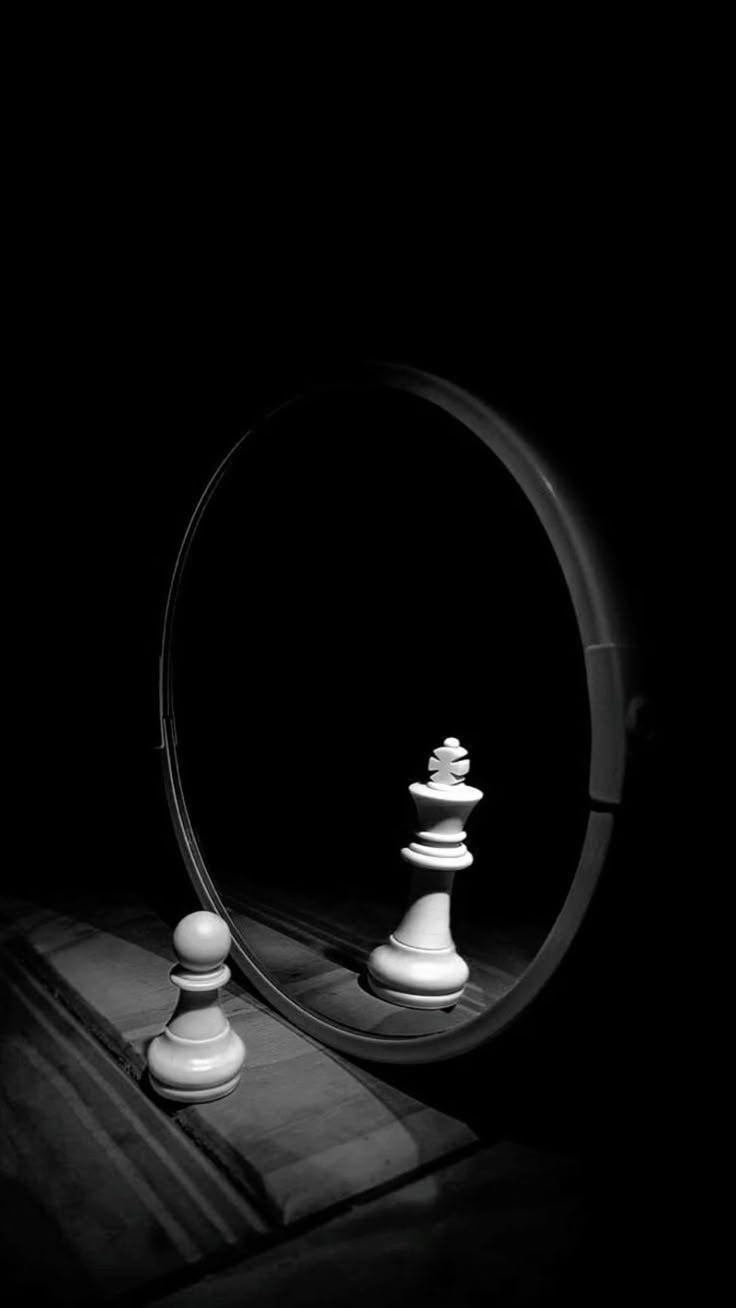
The Contrarian Truth About Media Readiness
Here is what most PR agencies will never tell you: the best media placements are not won in the pitch. They are won in the months of positioning, proof accumulation, and narrative sharpening that happen long before any journalist gets an email.
The startups that land features in Vogue Magazine, Mashable, Forbes, and Bloomberg are not always the best-funded, the most innovative, or the most connected. They are the most ready. They have a story that is tight, a brand that is coherent, a product that has demonstrated real traction, and a founder who can speak on camera with clarity and authority.
Readiness is a condition, not a feeling. And there are ten specific signs that tell you whether you’ve reached it.

The 10 Signs — A Framework for Media Readiness
1. Your founder story has a single, compelling narrative arc. Not three stories. One. The founding moment, the tension it solves, and the proof that it’s working. If you can’t say it in three sentences, you’re not ready.
2. You have documented traction — not projections. Journalists write about what is happening, not what might happen. Revenue growth, user milestones, waitlist numbers, customer case studies — these are the raw materials of a compelling pitch.
3. You know exactly which publications align with your audience. Startups that try to land everywhere usually land nowhere. Specificity signals professionalism. Knowing that your customer reads Mashable’s tech vertical or follows Vogue Magazine’s business coverage means you pitch with precision, not hope.
4. Your website and digital presence pass the credibility test. A journalist will Google you before responding to any pitch. If what they find is a half-built website, an inconsistent LinkedIn profile, and a Twitter feed that hasn’t been updated in four months — the pitch is dead on arrival.
5. You have social proof that doesn’t require explanation. Testimonials. Named clients. Case study results. Awards. Recognition from credible third parties. This is the infrastructure of trust that makes a journalist’s job easier — because they need to justify their coverage to editors.
6. You can speak in soundbites. Media is built on quotable moments. If your founder can deliver a sharp, memorable line on the record, you are infinitely more placeable than the founder who needs ten minutes of context before landing a useful sentence.
7. Your category has cultural momentum. Timing is not everything — but it is a lot. A fintech startup ready to pitch during a consumer finance crisis will get placed faster than an identical startup pitching during a quiet news cycle. Know when your moment is arriving, and be ready for it.
8. You have an existing media footprint, however small. One strong byline. One podcast appearance. One local press mention. It signals to national editors that your story has already been vetted — making them feel safer saying yes.
9. Your competitive differentiation is genuinely clear. “We’re disrupting the X space” is not differentiation. What specifically do you do that no one else does, and can you prove it with data? If the answer requires a white paper to explain, it’s not ready for media.
10. You are building a brand, not just a company. Journalists and editors cover stories that matter to their readers. Brands with a point of view — about the industry, about the problem, about the future — give media a reason to keep coming back. If your startup is purely transactional, your press coverage will be too.
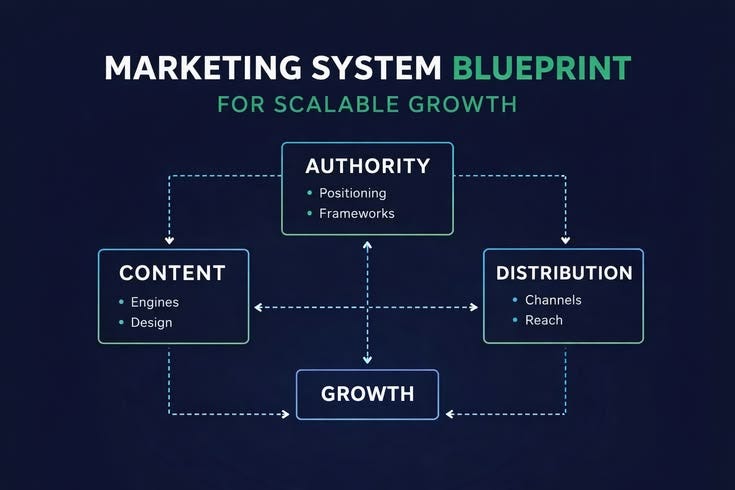
What the Startups That Land Tier-1 Coverage Do Differently
Specialized agencies like 9-Figure Media approach media placement not as a series of pitches, but as a deliberate campaign built on readiness signals. The logic is straightforward: when a startup’s narrative, proof points, and positioning are aligned, placement in outlets like Mashable, Vogue Magazine, Forbes, and CNN becomes an engineered outcome — not a lottery.
One client, a managing partner at Mercury, described the shift this way: after working with multiple PR agencies and spending heavily without results, the team discovered a model built on guaranteed placement and measurable startup visibility. The result was described simply as “refreshing” — and the distinction was clear. The difference wasn’t the outreach. It was the infrastructure behind it.
This is the pattern that separates the MSL alternatives disrupting the legacy PR space from the traditional firms that charge retainers regardless of results. The new model demands readiness first — and delivers placement second. In that order. Always.
The Readiness Audit: What to Do Right Now
Go back through the ten signs above and score yourself honestly — one point for each sign you can confirm with evidence, not intention.
Seven or above: You are media-ready. The question now is execution — who is pitching for you, to whom, and with what positioning.
Four to six: You are close. Two to four weeks of focused preparation — tightening your narrative, updating your digital presence, collecting one or two more proof points — could move you into the ready zone fast.
Below four: Stop. Do not spend money on PR yet. Invest in the foundations first. Come back to this checklist in sixty days.
The startups that go from unknown to featured in Mashable or Vogue Magazine in a single quarter don’t get lucky. They get ready. Then they move.
For founders who have done the audit and know they are in the seven-plus zone, for founders who are ready to stop preparing and start placing — firms such as 9-Figure Media offer the execution infrastructure to move from readiness to real coverage, in the publications that actually matter to your investors, your customers, and your competitors.
Schedule a strategy consultation to map your specific media placement path and identify the exact outlets your startup is positioned to land right now.
 Sesus Blog — Smart Moves for Founders and Modern Marketers
Leave a comment