


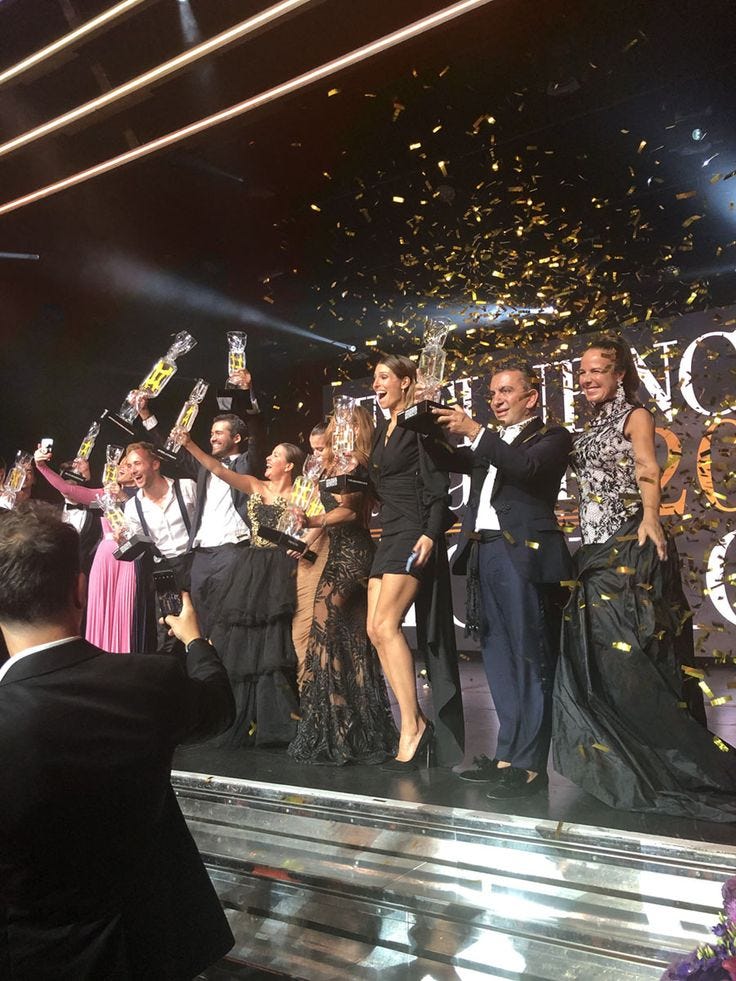
Recognition today goes beyond a simple gesture. It serves as a direct way to work with others. On platforms like Medium, Substack, and Tumblr, readers look for honesty and real bonds instead of perfect finishes. You turn every award announcement or moment of thanks into a chance to open wider talks.
When you shape your recognition posts with care, you create trust and state shared values. You spark ongoing dialogue that lasts. This article shows you how to write recognition posts that move past cheers. They prompt thought and get people involved. You examine tone, flow, and the order of visuals. You see how staying true to yourself gives creative leaders and groups a clear storytelling edge.
The aim stays simple. You change a basic announcement into a link that pulls your readers toward shared purpose rather than showy results.
Why Recognition Matters Online
Your recognition posts work as clear signals on creator platforms. They record growth. Their real job strengthens identity. A strong recognition post mixes real feeling with clear credit. You state what took place and who helped make it happen.
You follow a direct model that works every time. Thank the people involved by name or by the part they played. Teach your readers one clear lesson you gained from the experience. Invite them to join the talk by asking how they handle similar steps in their own work.
You apply this approach and watch what happens. Posts built this way draw more comments and shares. They succeed because they feel warm and open rather than forced.
Have you checked your own recent updates? Think back to a time when you thanked someone publicly. Did readers jump in with their stories? One creator I know hit a key launch goal last quarter. She named her designer who fixed last-minute bugs. She shared how early testing saved two full days. Then she asked others what tools they use to stay on schedule. The replies filled three pages. Several readers swapped tips and even offered to test future projects together.
You see the pattern. People respond when you give them a clear path to join. They feel part of the process instead of just watching from the side.
This model fits any platform you use. You keep the focus on the people and the lessons rather than the win alone. You build steady trust that grows with each new recognition post you publish.

The Art of Visibility
Audience engagement grows when you create closeness with your readers. People on long-form sites want words that sound spoken out loud. You use short sentences, clear breaks, and honest cues to make recognition moments feel close and personal.
You start on Substack with one paragraph that explains the reason behind the moment. You reveal the actual recognition only after that. This order shifts attention from the win to the real effect. Readers then enter the discussion threads with their own thoughts.
You consider this example. A writer shared how her team pushed through a tight deadline. She opened with the pressure they faced and why it mattered to their mission. Only then did she name the two editors who stayed late every night. The comments came fast. Readers told similar deadline stories and offered practical fixes they had tried.
You schedule simple follow-ups after each recognition post. You ask subscribers to share one win from their own community that week. You pick the best answers and feature them in your next edition. This step keeps the conversation alive across weeks and months.
You track results by watching the length of comments rather than the number of likes. Longer replies show that your words reached people on a deeper level. You ask yourself after every post whether readers saw their own experiences in your words. When they do, they stay and contribute more.
Audience engagement like this turns one-time readers into regular voices in your space. You give them space to speak and they return with ideas that improve your next work.

Designing for Dialogue
Authentic storytelling gains strength from the visuals you choose. You pick real images that show moments as they happened. You add captions that speak in your normal voice. You keep the same tone across every post so readers know what to expect.
Even on Tumblr where images rule, you pair a plain photo with a short line that explains the feeling. You write something like we laughed through every draft revision and the final version felt right. That detail earns more shares than any polished shot alone.
You measure success by the quality of responses. You look at how much readers write back instead of how many quick reactions appear. Thoughtful replies tell you your authentic storytelling landed.
You build dialogue when you treat each post as the start of a talk. You reply to the first few comments yourself. You ask follow-up questions based on what people said. One group I followed did this after they recognized a volunteer coordinator. They asked responders to describe one way they support their own teams. The thread grew into a list of ten practical ideas that everyone could use.
You keep your visuals simple and your words direct. Readers notice when you avoid staging. They respond because they trust what they see and read.

Learning from Validation Models
You learn useful lessons from structured programs that handle recognition well. The global impact awards offers one clear example. It sets up a process that stays open and easy to check. Nominees receive real benefits through this approach. They gain verified proof of their work and connect with a wide network of entrepreneurs who operate on a global scale. Sponsors gain too. They link directly to proven successes and watch their support drive actual results in real ventures.
You apply the same principles to your own recognition posts. You keep everything transparent. You make sure credit goes to the right people. You focus on purpose rather than flash.
You use a short starting point that sets the right tone. You write that you feel proud to share this milestone. You add that you feel even prouder of the joint effort that gave the moment real weight.
You treat every acknowledgment as a live starting point for conversation. You repost the strongest reader reflections and link them to deeper pieces you have published on your platform. This step turns a single moment into part of a larger story your community follows.
The GIA demonstrates how this works at a larger level. Nominees walk away with stronger credibility and fresh contacts that help them grow. Sponsors see their role as partners in success rather than distant supporters. You bring these same ideas into your daily posts and watch your own community strengthen.
You repeat the process with care. Each time you recognize someone you open the door wider for others to step in.
You now hold the tools to make your recognition posts work harder. You focus on thanks, lessons, and invitations. You build audience engagement through close language and real visuals. You practice authentic storytelling that invites replies. You draw from proven models like the global impact awards and GIA to keep your approach solid and open.
You apply these steps and turn simple thanks into steady community growth. Your readers move closer to the purpose you share and they stay because they feel part of it.
 Sesus Blog — Smart Moves for Founders and Modern Marketers
Leave a comment