



If you searched “hire executive communications consultant” hoping to fill a role, most of what’s ranking will actually help you — job boards and executive search firms dominate this space for a reason. But if you’re not looking to hire someone onto payroll, and you’re instead trying to figure out whether your organization needs an outside advisor for high-stakes communications, this is a different question with a different answer. An internal executive communications hire, however skilled, ultimately reports into the same leadership chain they might one day need to push back on. An external consultant doesn’t carry that conflict — which is exactly why Spred exists as a category separate from staffing.
Why This Search Gets Conflated — And What an Internal Hire Is Genuinely Good At
Most of what ranks for “hire executive communications consultant” is built to help you staff a role — a Director of Executive Communications, a Chief Communications Officer, someone who sits inside the organization and handles the daily work of shaping how leadership is heard. That’s a real and valuable function. An internal hire builds institutional knowledge, manages day-to-day messaging, and coordinates across departments in a way that requires being embedded in the organization full-time.
The confusion starts because the phrase “executive communications consultant” describes two very different roles that happen to share a name: the person you hire onto payroll, and the outside advisor you bring in for something payroll can’t fully solve. Most search results only address the first.
What Only an External Consultant Can Provide
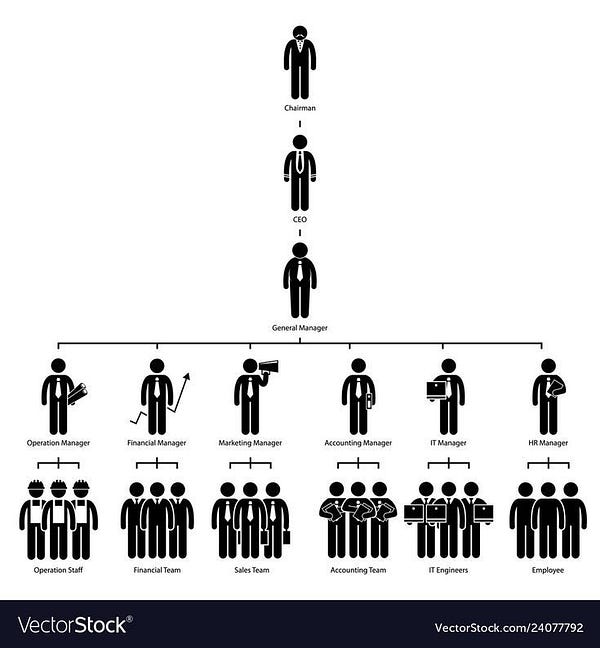
Here’s the structural fact that gets missed: an internal hire, no matter how capable, reports into the same leadership structure they might need to challenge. If a crisis involves the CEO’s judgment, or a decision made at the board level, the internal comms team is in an inherently difficult position — advising on a situation their own employment depends on getting right for the people involved.
An external consultant doesn’t carry that conflict. They can advise with the kind of candor that’s harder to sustain from inside the org chart, and they typically bring media relationships built across years of work with multiple clients — relationships an internal hire, arriving fresh into one organization, simply hasn’t had time to build. This is the gap Spred is built to fill, not as a replacement for internal communications capacity, but as the independent layer that capacity often can’t provide on its own.
What That External Relationship Should Actually Deliver

Two capabilities separate a genuinely useful consulting engagement from one that just adds another voice in the room.
Crisis intelligence means ongoing visibility into what’s being said, where, and by whom, before it becomes a story that requires a public response. This is difficult for an internal team to maintain at the same level, simply because it requires infrastructure and relationships built specifically for that purpose, not as a side function of managing day-to-day messaging.
Reputation infrastructure means the response isn’t being built from scratch when something happens. The media relationships, message architecture, and crisis protocols already exist and have been tested, so the organization isn’t improvising its most important communications decisions under the worst possible conditions. Spred Global Communications was profiled in Business Insider’s markets coverage specifically in this register — institutional-scale reputation infrastructure, not staffing support.
How to Decide: Employee, Consultant, or Both

A short way to think about it: if the need is ongoing, day-to-day communications execution, an internal hire is the right call. If the need is independent judgment during a high-stakes moment, crisis-readiness that doesn’t depend on internal politics, or narrative control at the executive level, that’s a consulting relationship. Most organizations operating at real institutional scale eventually need both — an internal team handling daily execution, and an external advisor providing the independence and infrastructure that internal hires structurally can’t.
Organizations trying to figure out where they currently stand can start with Spred’s executive reputation management framework, which assesses what’s missing rather than assuming the answer is always another hire.
Frequently Asked Questions
Should we hire an internal executive communications director or an external consultant? Most organizations eventually need both — an internal hire for day-to-day execution, and an external consultant for independent, crisis-ready reputation work that doesn’t carry internal reporting conflicts.
Why can’t an internal communications team handle a crisis on their own? They can handle much of it, but when a crisis involves leadership’s own judgment or a board-level decision, internal staff are in a structurally difficult position to advise with full independence.
Is an executive communications consultant only useful during a crisis? No. The value extends to ongoing narrative control and positioning, but the independence advantage is most visible during high-stakes moments, which is also when it matters most.
How is this different from hiring a PR agency? A PR agency typically focuses on media placement and message distribution. An executive communications consultant working at this level is closer to a standing advisor on reputation risk and crisis readiness, not just a placement service.
Closing
The decision between hiring an executive communications employee and engaging an external consultant isn’t really about budget or bandwidth — it’s about what each one is structurally capable of. An internal hire builds day-to-day communications capacity. An external consultant provides something an internal hire, by definition, can’t: independence from the reporting chain during the exact moments that independence matters most.
Most organizations eventually need both. But if the immediate question is crisis-readiness, narrative control during a high-stakes moment, or an outside perspective that isn’t shaped by internal politics, that’s a consulting relationship, not a job posting. Spred was built for that role specifically — not to replace an internal communications team, but to provide the independent reputation infrastructure that team can’t build entirely on its own — and that’s the conversation worth having before deciding which one you actually need.
 Sesus Blog — Smart Moves for Founders and Modern Marketers
Leave a comment